





Intelligent

Performance
LuxpowerTek Energy Storage Inverters in Nigeria

Eco-Friendly

Intelligent
Performance
Eco-Friendly
Compare LuxpowerTek inverters and solar batteries in Nigeria by the power your appliances need, your single-phase or three-phase supply, and the backup hours you want. Choose inverter output in kW, then size compatible battery storage in kWh. Check the model-specific limits before requesting a quote.
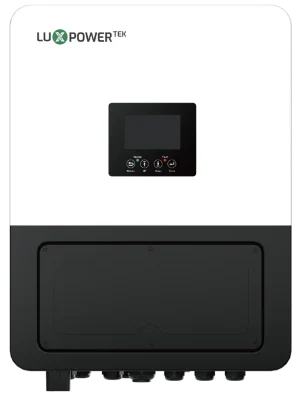
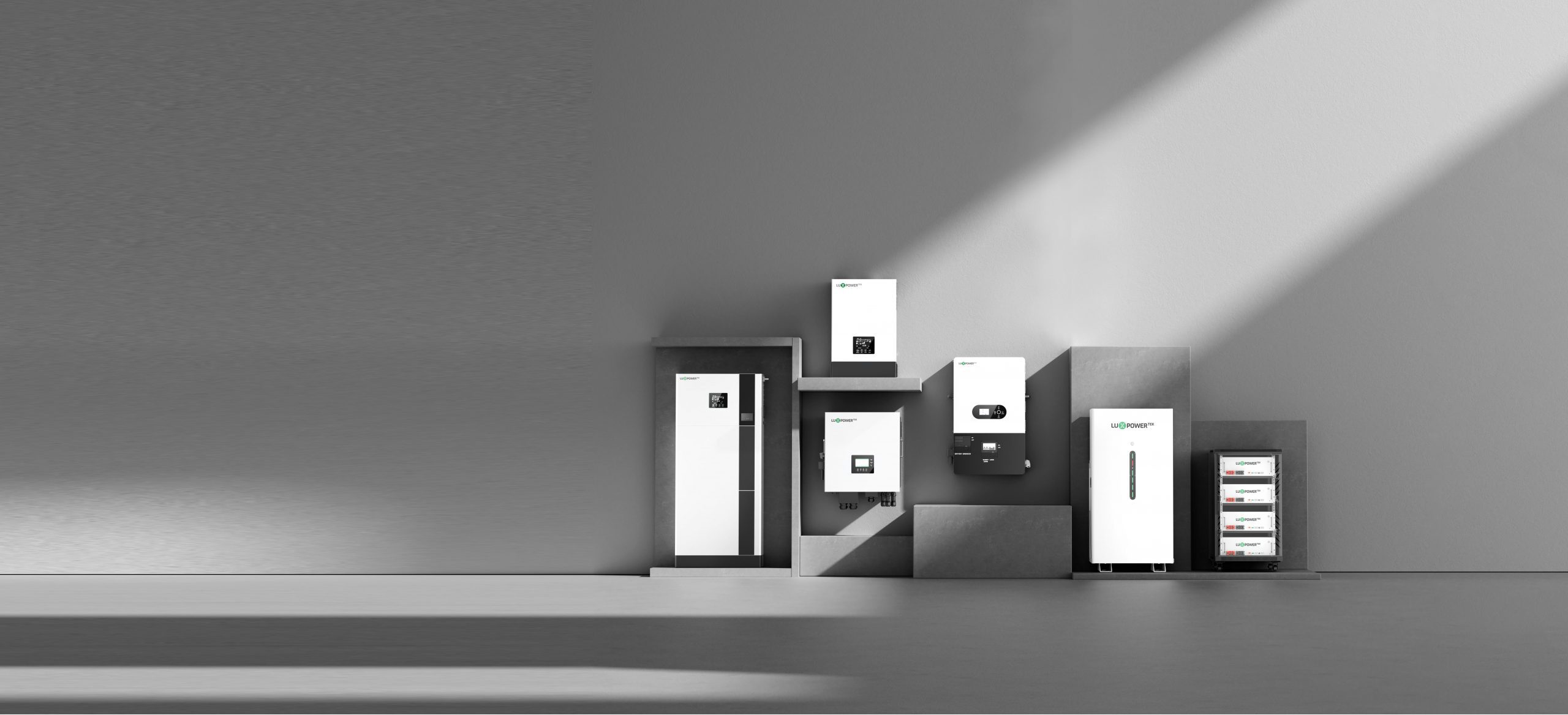
Single-phase hybrid solar inverters with dual MPPT, 48V-class battery support and IP66 protection.
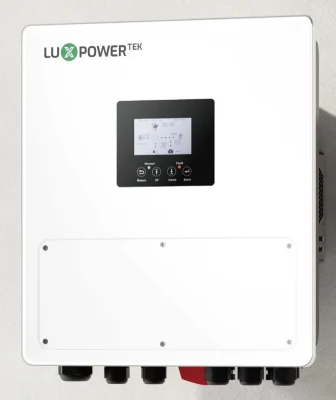
Solar inverters with dual MPPT, IP66 protection and generator or smart-load management.
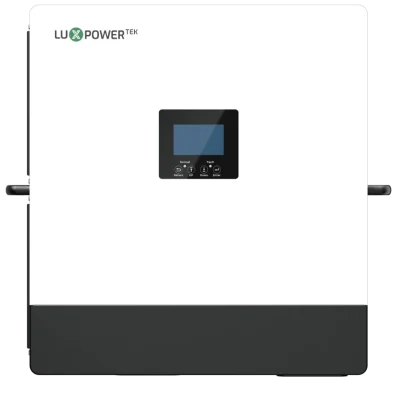
Single-phase solar inverters with 10kW, 12kW and 14kW model choices and dual MPPT. 14K output requires PV and battery together.


deliver efficient solar energy conversion and seamless backup
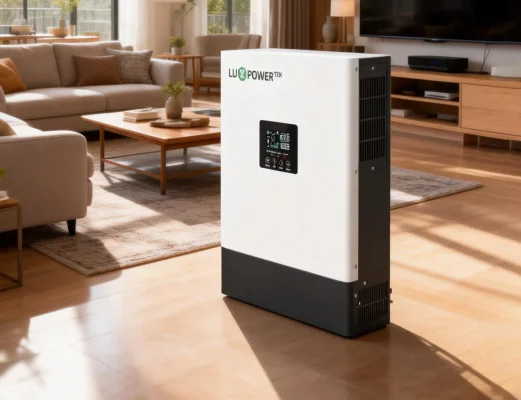
Compact off-grid inverter designed for households and small businesses. Provides reliable backup power, supports flexible battery options, and ensures stable performance in challenging grid conditions.
Backup
7 ms
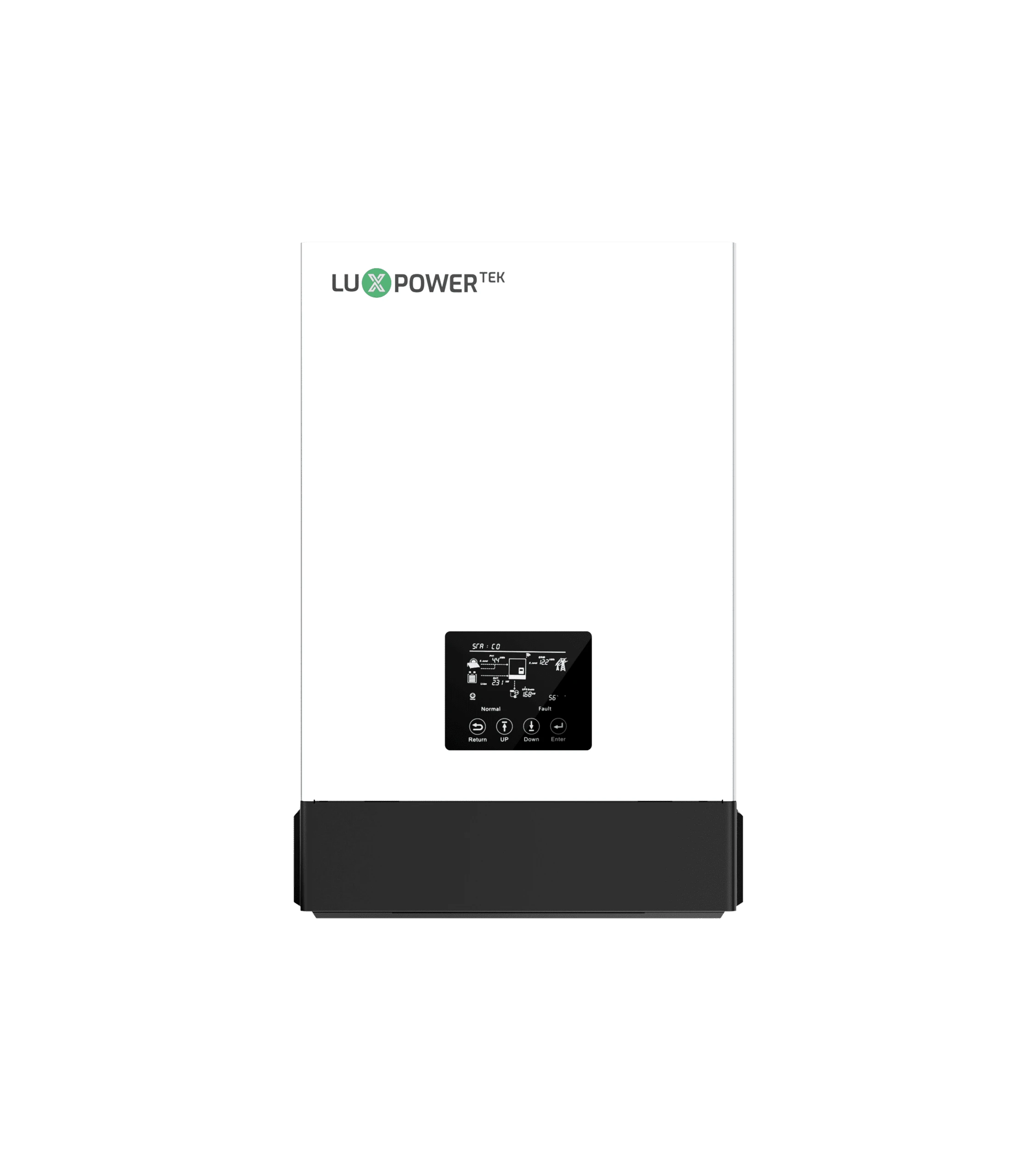
Battery
48/51.2V
MPPT/String
2 / 2
High-capacity off-grid inverter built for households and small businesses. Provides stable backup power, supports flexible battery options, and delivers reliable performance even under challenging grid conditions.
AC Output
Two
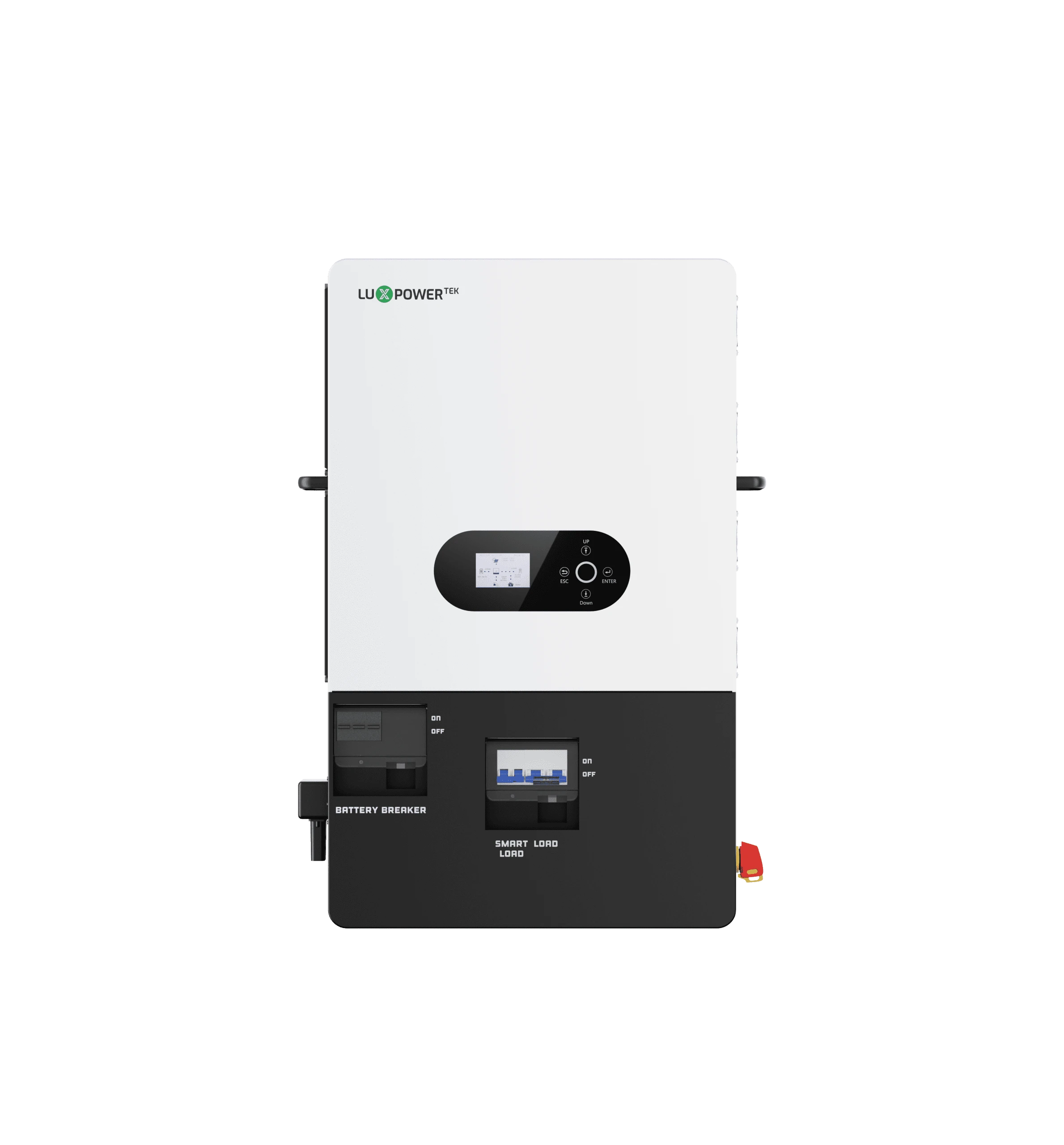
Battery
48/51.2V
MPPT/Sting
2 / 4
High-efficiency hybrid inverter for residential use. Compact design with up to 94.5% efficiency, offering stable backup power and flexible battery compatibility for everyday energy needs.
Efficiency
94.5%
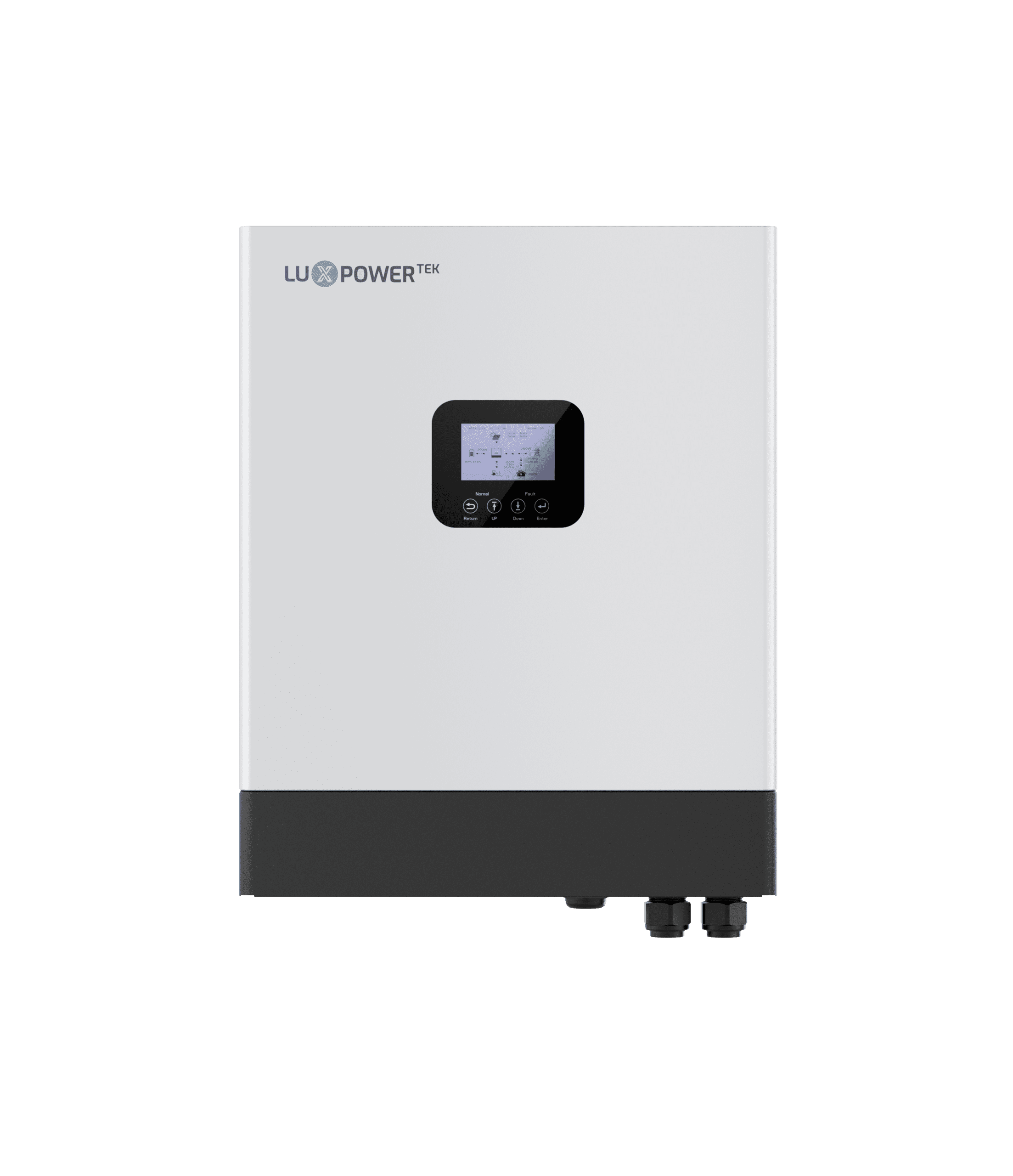
Battery
48/51.2V
Comm
Wi-Fi/RS485
Advanced hybrid inverter for larger households and small businesses. Supports up to 15 kW PV input, ensuring strong solar utilization, seamless backup power, and reliable battery integration.
PV Input
Up to 15kW
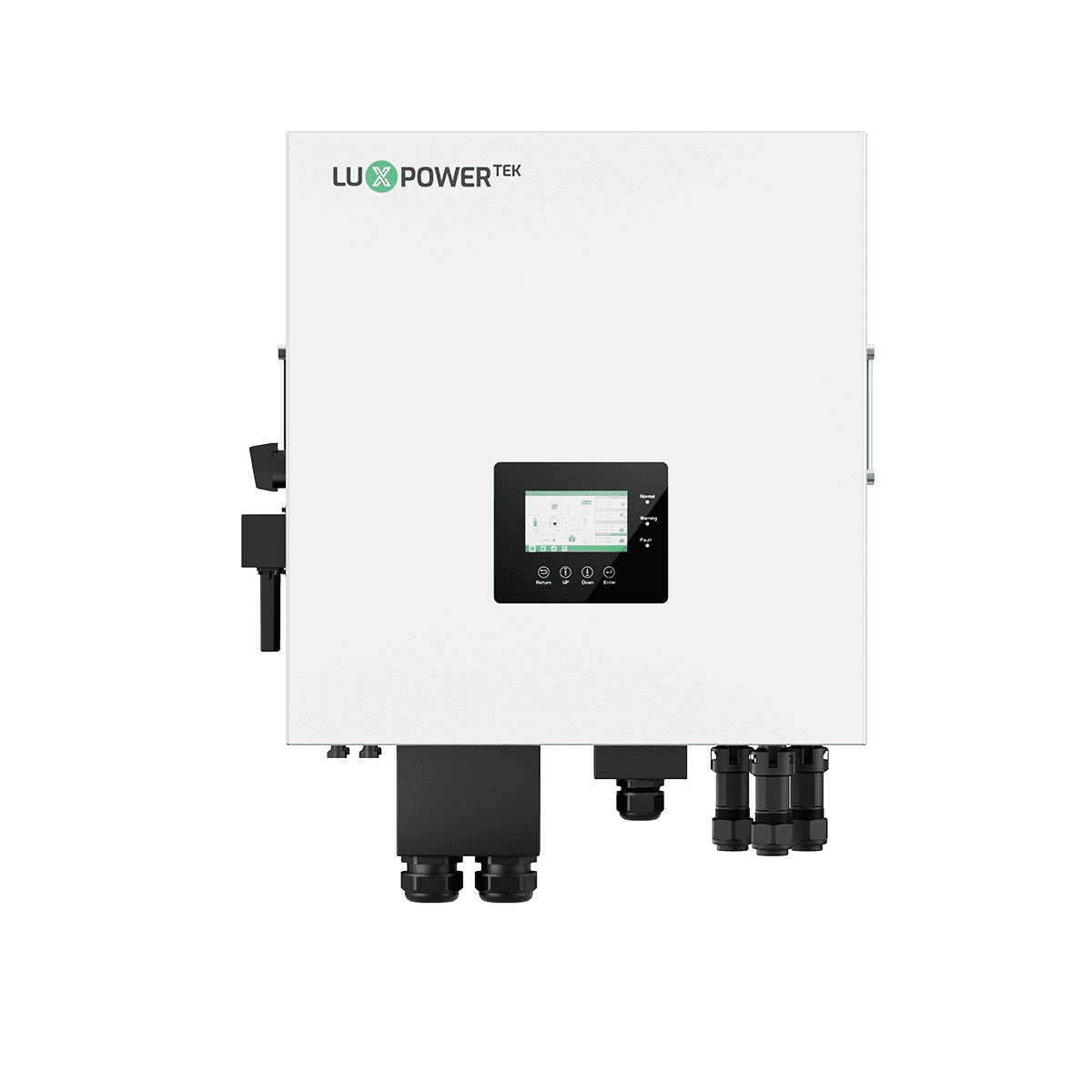
Battery
48/51.2V
MPPT/String
2 / 4
Next-generation hybrid inverter with ultra-fast 7 ms backup switching. Designed for stable home energy storage, easy monitoring, and dependable performance under demanding grid conditions.
Backup
7 ms
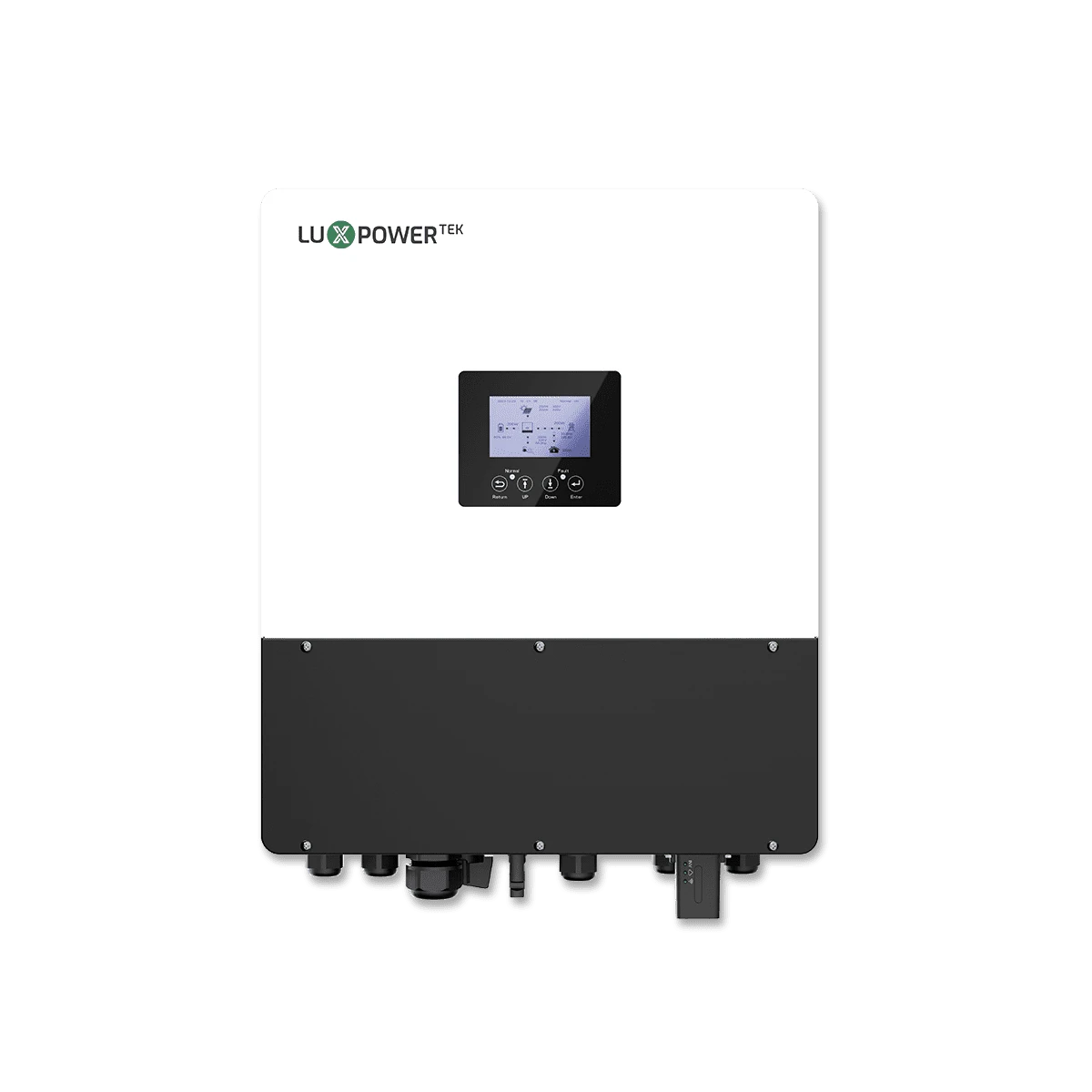
Battery
48/51.2V
Discharge Current
140A
Next-generation single-phase hybrid inverter with up to 18 kW PV input. Delivers powerful performance for larger homes and small businesses, with 250A discharge capacity and flexible low-voltage battery support.
PV input
Max. 18kW
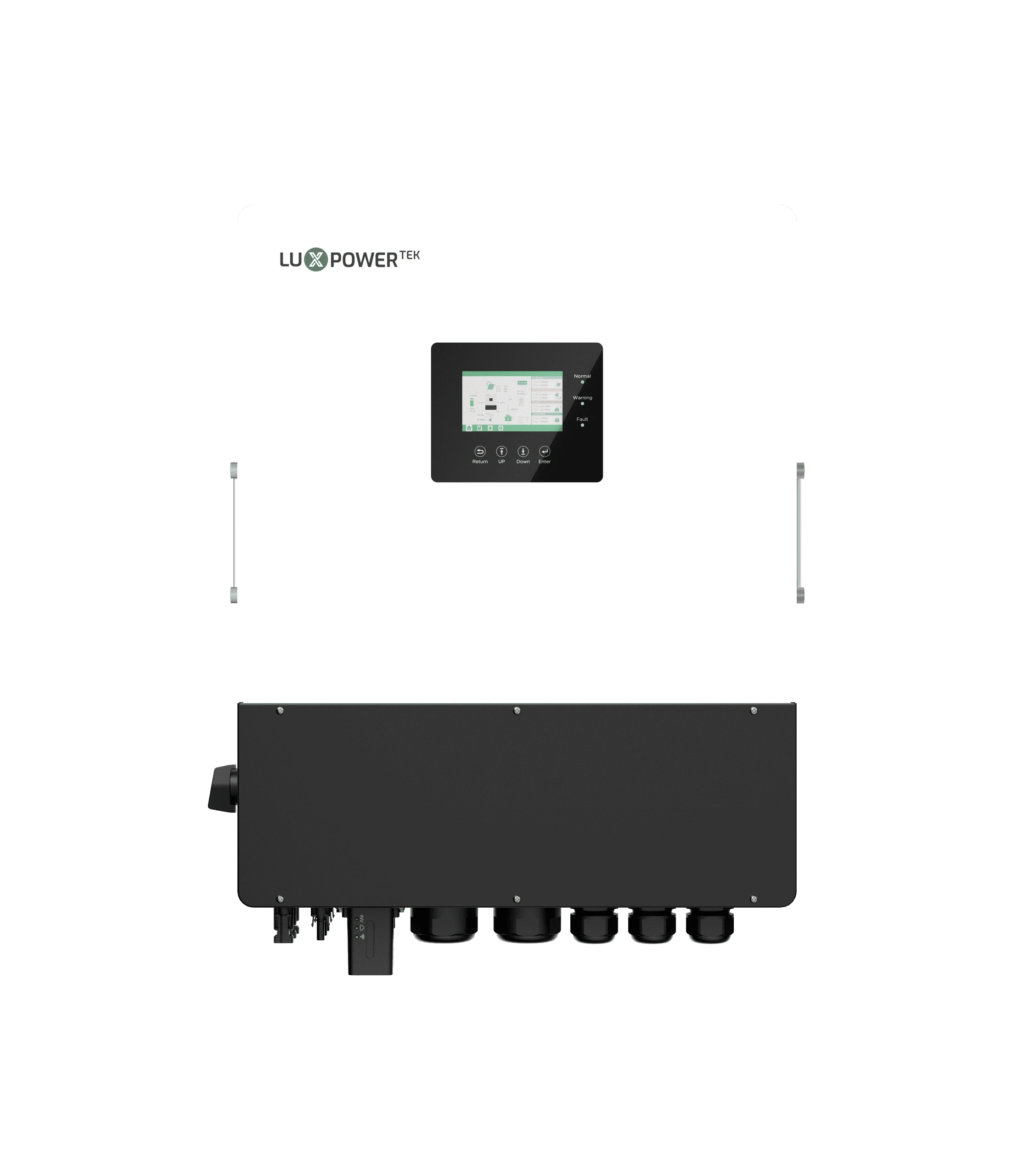
Discharge Current
250A
MPPT/String
3 / 3
Three-phase low-voltage hybrid inverter designed for residential and light commercial applications. Features fast 10 ms backup, 3 MPPTs, and scalable power options, ensuring stable energy supply and cost-effective storage.
Parallel
10 units
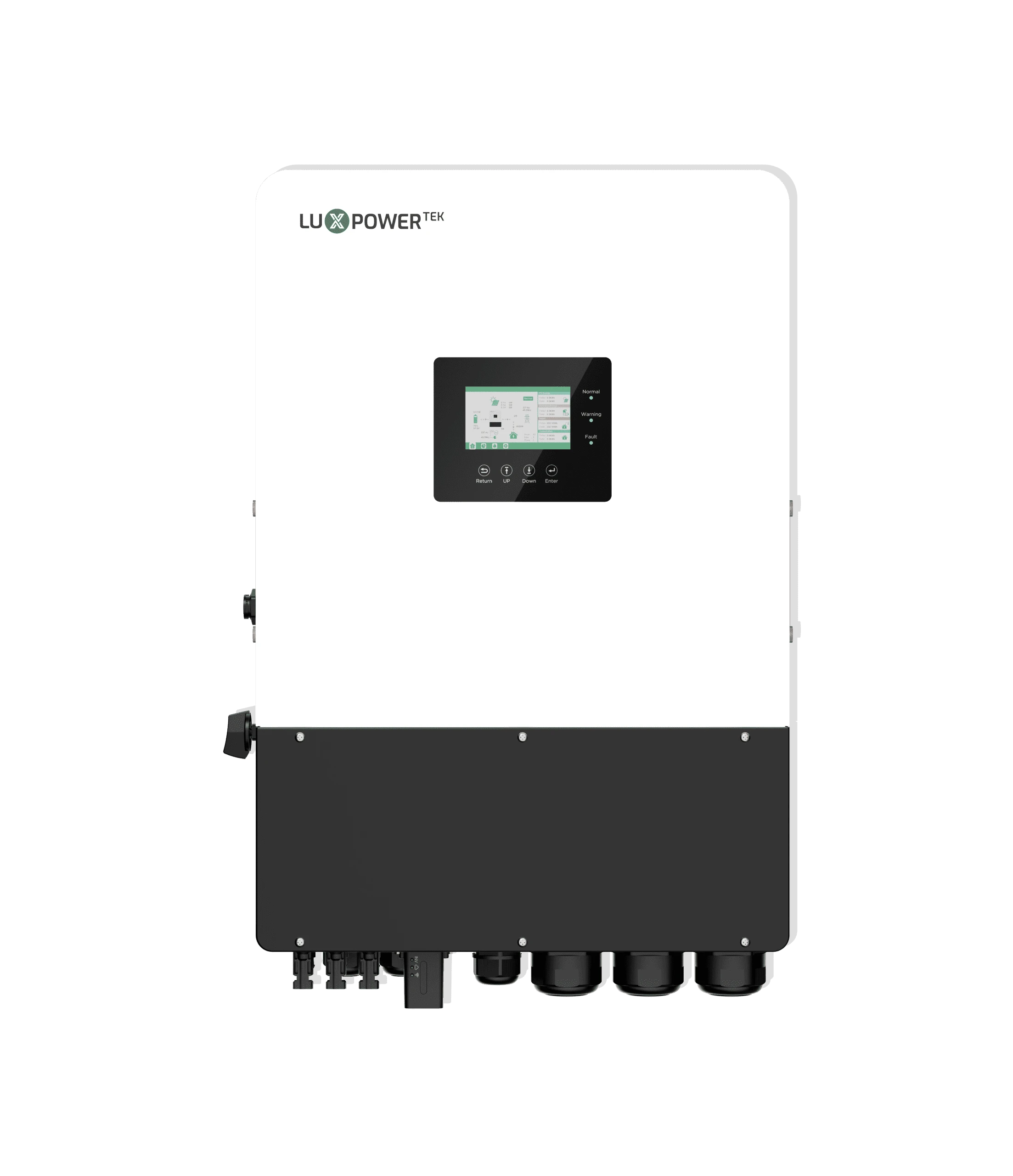
Battery
48/51.2V
MPPT/String
3 / 3
High-voltage three-phase hybrid inverter built for advanced energy systems. Supports 100–700V battery voltage range, Max. 3/6 MPPT design, and reliable 10 ms backup switching, ideal for demanding multi-phase installations
Backup
10 ms
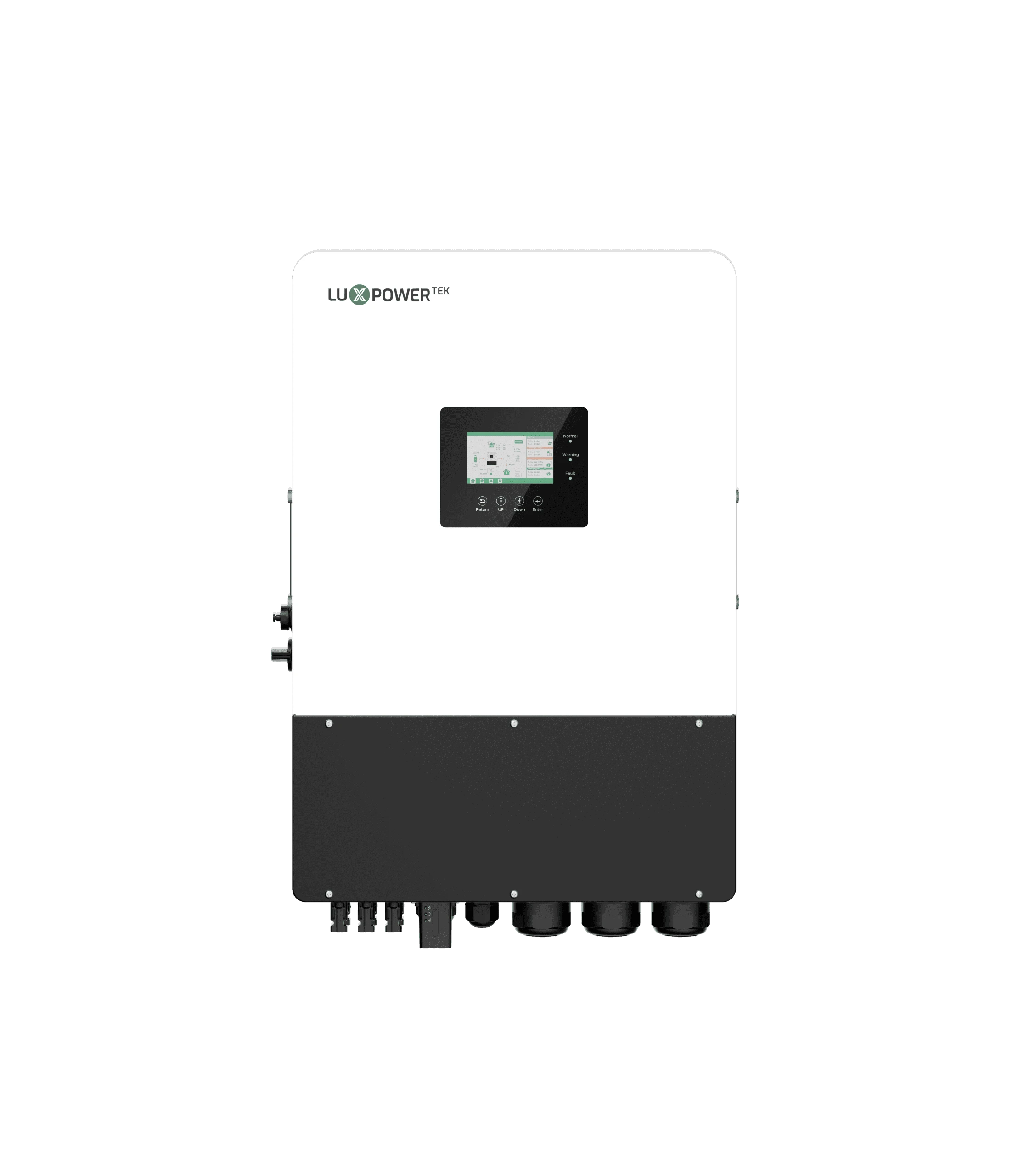
Battery
100~700V
MPPT/String(Max.)
3 / 6
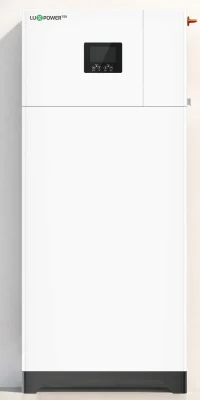
All-in-one energy storage system for residential use. Combines inverter and battery in a compact design, offering 6 kW output with scalable 5–15 kWh capacity. Supports up to 16 units in parallel, ensuring reliable backup power and flexible expansion for households.
Capacity
5/10/15kWh
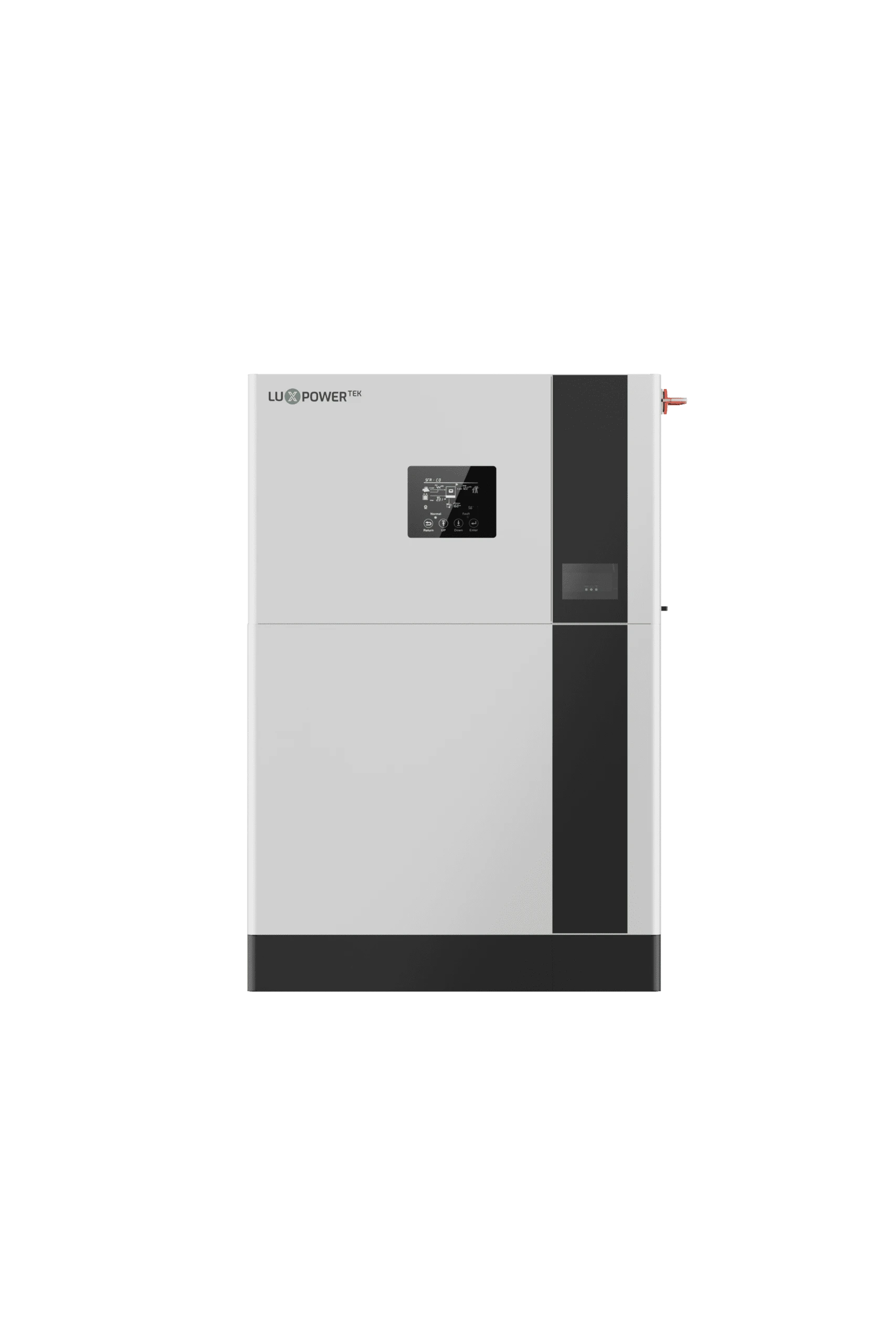
Parrallel
16 sets
Rated Power
6kW
Start with your simultaneous load and supply phase. These are model ranges; PV input, backup output and battery-only output are separate specifications.
| Model range | AC power range | Supply phase | Battery system | Check before choosing |
|---|---|---|---|---|
| GEN3-LB-EU | 3–8kW | Single-phase | 48V class | Hybrid operation; check PV input and battery current for the exact model. |
| SNA PRO-EU | 3–6.5kW | Single-phase | 48V class | Check generator or smart-load use and the selected model's PV limits. |
| SNA2-EU-LT | 10 / 12 / 14kW | Single-phase | 48V class | 14K output requires PV and battery together; its maximum battery charge/discharge power is 13kW. |
| TriP2-LB-3P | 5–20kW | Three-phase | 48/51.2V class | Compare 10kW and 15kW models by per-phase load, PV and battery-only limits. |
Looking for a 10kW or 15kW Luxpower inverter? Compare the SNA2 10kW single-phase option with the TriP2-LB 10kW and 15kW three-phase options against your actual supply. A 14K model is not a 15kW model. Follow the exact datasheet for AC output and battery-only limits.
Browse hybrid inverters, off-grid inverters or all-in-one inverter and battery systems. For high-voltage storage projects, compare TriP2-HB and its approved battery configurations.
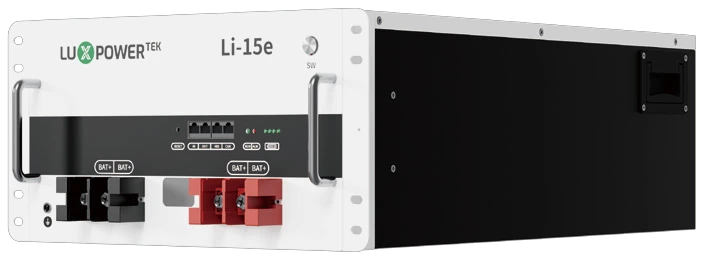
Battery capacity determines stored energy. It does not increase the inverter's power rating. For a battery around the 15kWh class, compare rated energy, voltage, discharge current and BMS compatibility:
| Battery | Rated energy | Nominal voltage | Selection point |
|---|---|---|---|
| PGEM PRO | 14.3kWh | 51.2V | Confirm the inverter, current limits and available installation space. |
| Li-15e | 15kWh | 51.2V | Check BMS communication and support for the battery's weight and installation format. |
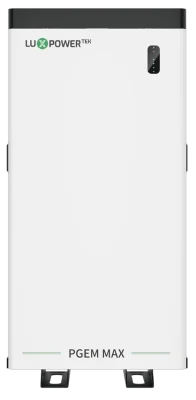
| PGEM MAX | 16.076kWh | 51.2V | Floor-standing format; check indoor space, handling access and discharge current. |
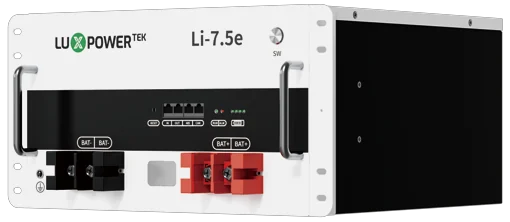
Rated energy is not guaranteed usable AC energy or backup time. Runtime depends on the load, reserve settings and losses. The 25.6V Li-7.5e is a different voltage class and cannot directly replace these 51.2V batteries. See the full lithium solar battery range and model datasheets and manuals.
A useful price comparison starts with the same equipment and installation scope. Request a current quote for an inverter only, battery storage only, or a complete solar backup system.
Send your city, appliance list, simultaneous load, supply phase and existing equipment details. Ask the team to confirm availability, delivery, installation scope and applicable warranty terms in writing.
Request a model-specific quoteBuying guide
Record running loads and motor starts, choose the supply phase, and set your target backup hours. Inverter kW and battery kWh must both fit the job. Review the exact model documents, plan installation and confirm compatibility before ordering.
The quote depends on the inverter model, quantity and what the supply includes. Send your model or load requirements and location, and ask for the inverter, batteries, accessories, delivery and installation to be itemised. Request a current quote for your configuration.
Calculate simultaneous running power, motor starting demand and the circuits that need backup. Confirm single-phase or three-phase supply, then check the exact model’s AC output, surge duration and battery-only limits. Use the model comparison to shortlist a range.
No. kW measures power delivered at a moment; kWh measures stored energy. A battery around 15kWh does not provide 15kW automatically. The inverter rating, battery discharge current, BMS and system losses all affect usable output and runtime.
Start with how grid power, solar, batteries and any generator need to work together. Compare the operating modes and permitted connections in the exact model manual. An off-grid-labelled inverter may accept grid charging; do not assume it supports grid export. Ask your installer to confirm the required operating mode.
Check voltage, continuous and peak current, BMS communication and supported firmware for both products. A matching nominal voltage alone does not establish compatibility. Include the existing battery label and model when requesting a recommendation.
Confirm this in writing. Ask for panels, mounting, cables, earthing, protection, delivery, labour and commissioning to be listed, together with warranty terms. An inverter-only or battery-only quote does not establish the scope of a complete system.
Local project support
Share your loads, supply type, target backup time and installation location. Our team can help narrow the inverter and battery options before a final site assessment.
 Download