





Off-Grid Inverters in Nigeria
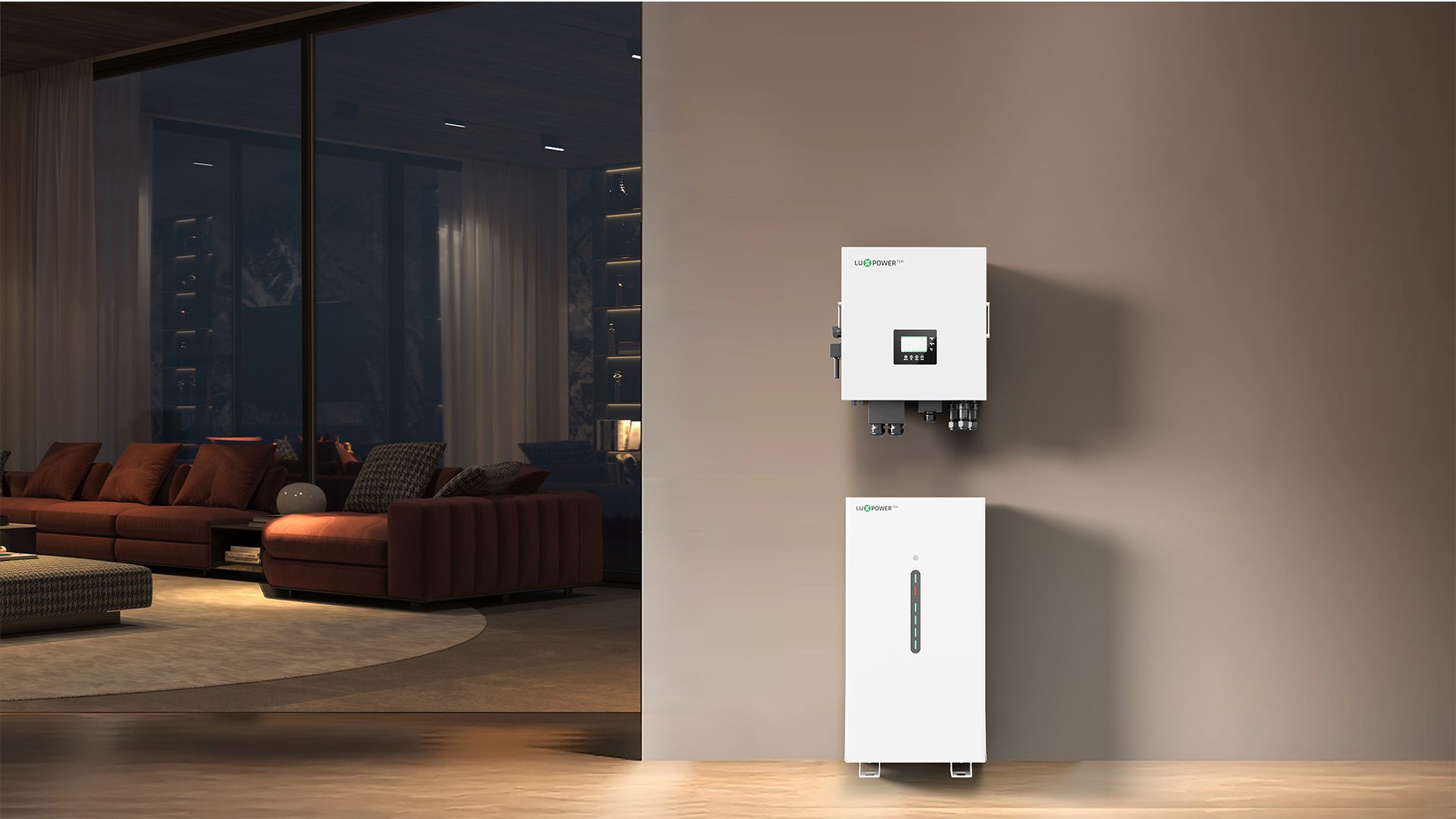
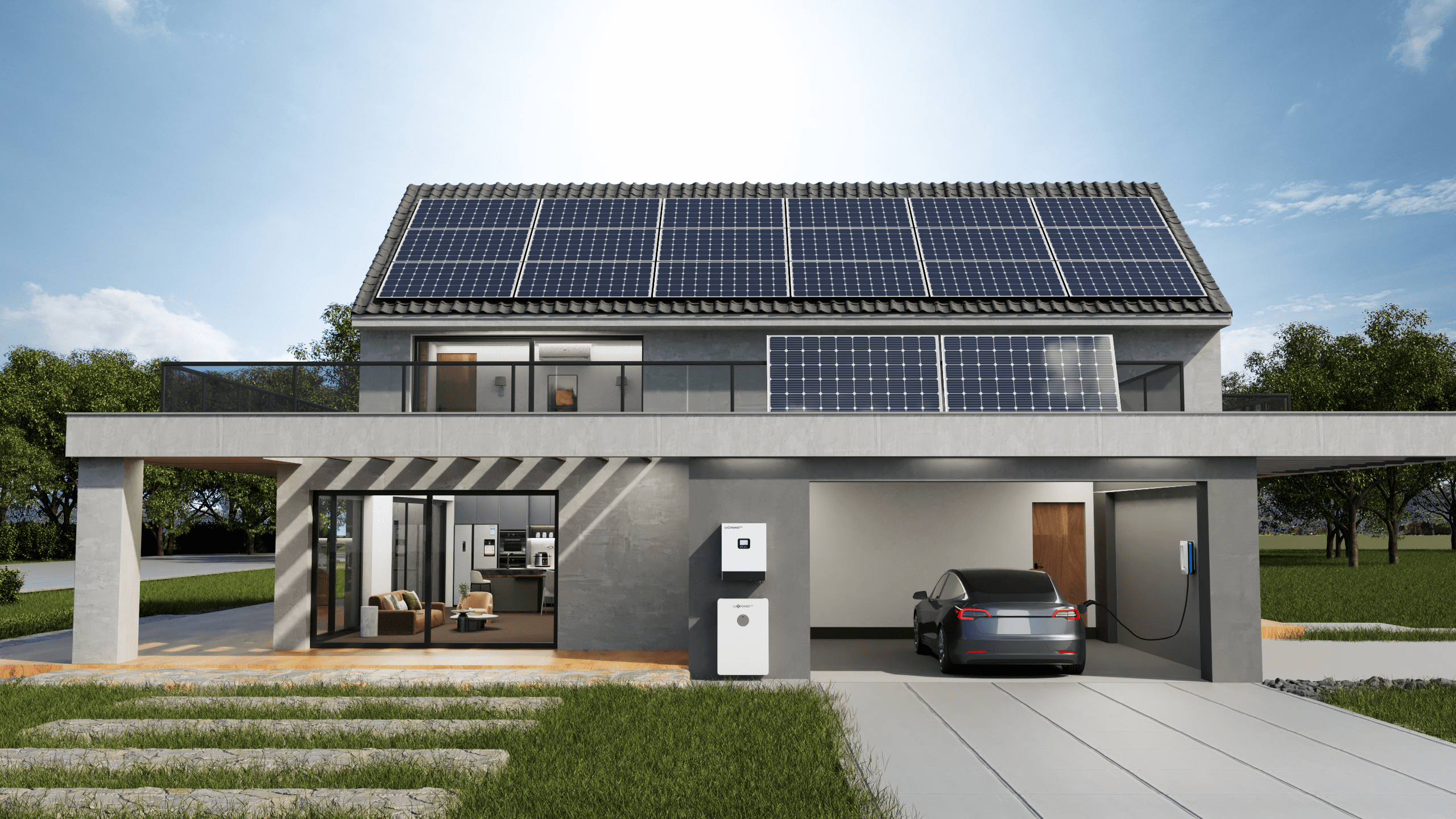
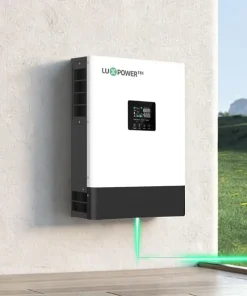
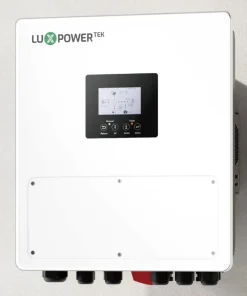
LuxpowerTek off-grid solar inverters work with batteries and compatible generators to provide home backup and independent solar power in Nigeria.
Inverter
Inverter
Selection guide
Plan an off-grid solar inverter system around real loads
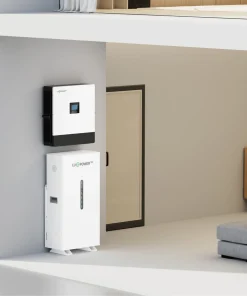
An off-grid solar inverter uses solar and battery storage to supply essential loads independently of normal grid availability. A compatible generator can provide another charging source when weather or extended demand reduces stored energy.
Searches for a 3kW, 6kW or 10kW off-grid inverter describe power classes, but the correct choice comes from continuous load, motor surge, target runtime, battery capacity and solar-array input. The SNA ranges cover different project scales and should be selected from verified load data.
- Separate essential loads from non-essential loads before sizing the backup output.
- Allow for compressor, pump and air-conditioner starting current.
- Confirm battery voltage, charge current and generator input conditions for the chosen model.
| Model range | Output range | Good starting point |
|---|---|---|
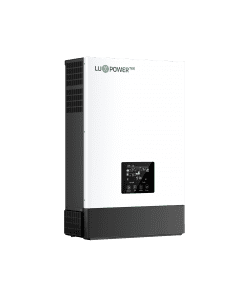
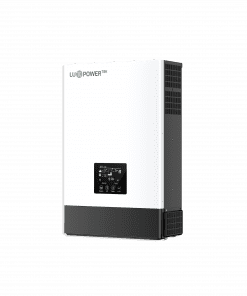
| SNA 3-6K | 3-6kW single phase | Focused residential and small-business backup |
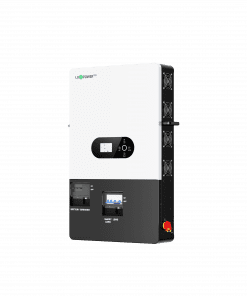
| SNA-EU 12-14K | 12-14kW single phase | Higher-demand single-phase backup systems |
Questions buyers ask before choosing
Does an off-grid inverter need solar panels?
It can operate as part of a battery backup system, but solar panels provide renewable charging and reduce dependence on grid or generator charging. The final design should match the model manual.
Can an off-grid inverter work with a generator?
Compatible SNA models support generator integration. The generator output, charging current and input settings must be reviewed by a qualified installer before use.
How much battery storage should an off-grid system have?
Battery size depends on the critical load in watts, required runtime, usable depth of discharge and expected charging window. A site load list is required for a useful estimate.
Local project support
Plan your system with the Nigeria team
Share your loads, supply type, target backup time and installation location. Our team can help narrow the inverter and battery options before a final site assessment.
 Download