
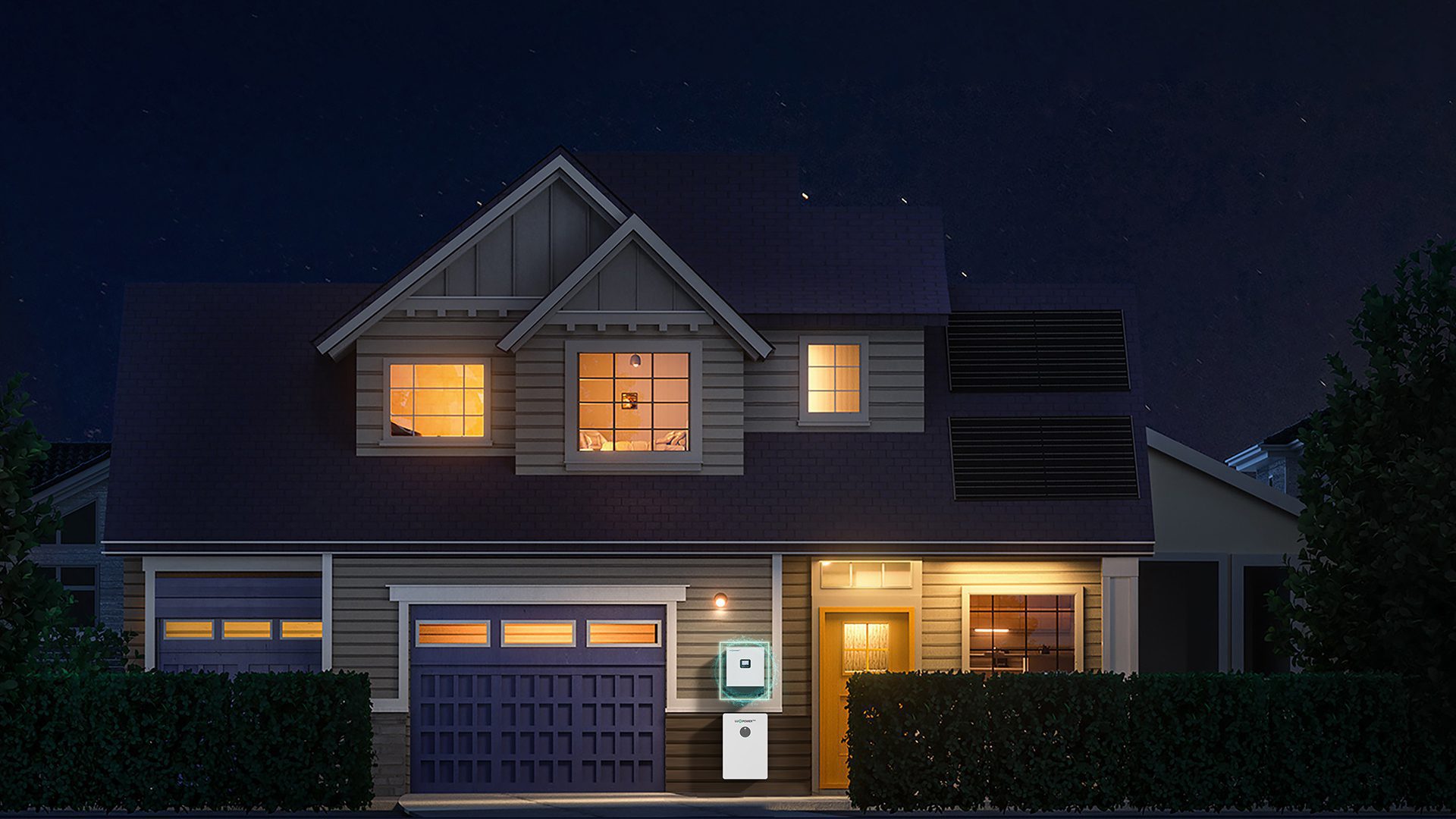
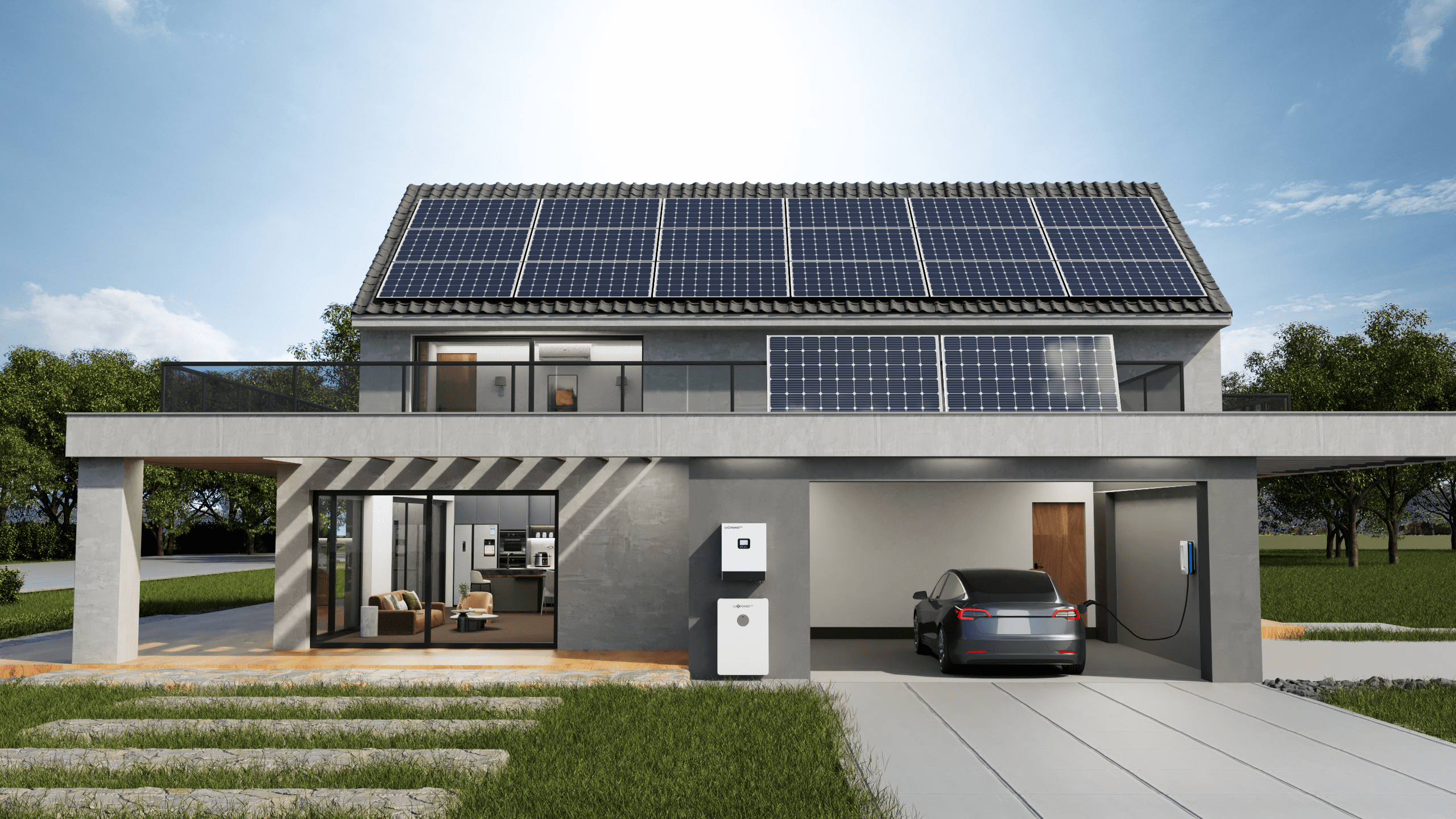





Residential Solar Backup in Nigeria
LuxpowerTek home batteries store solar energy and provide outage backup in Nigeria, with LFP technology, expandable capacity and inverter compatibility.
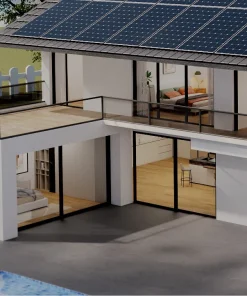
Battery Storage

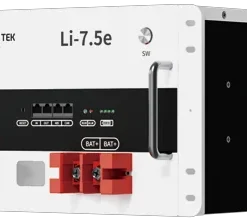
Battery Storage

Battery Storage
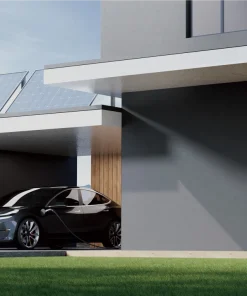
Battery Storage

Battery Storage


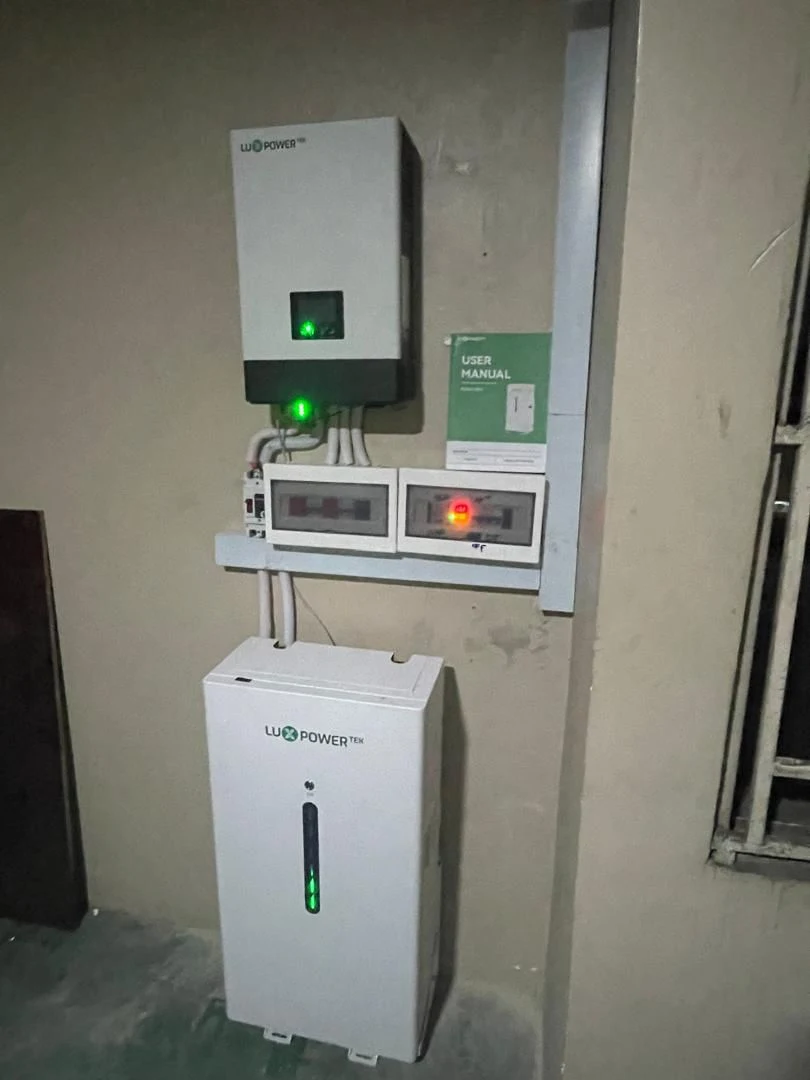
Residential battery storage
Keep the essentials running at home.
Start with the lights, fans, fridge and internet you need during an outage. Air conditioners and pumps change the calculation: their running power and starting demand must both fit the inverter and battery.
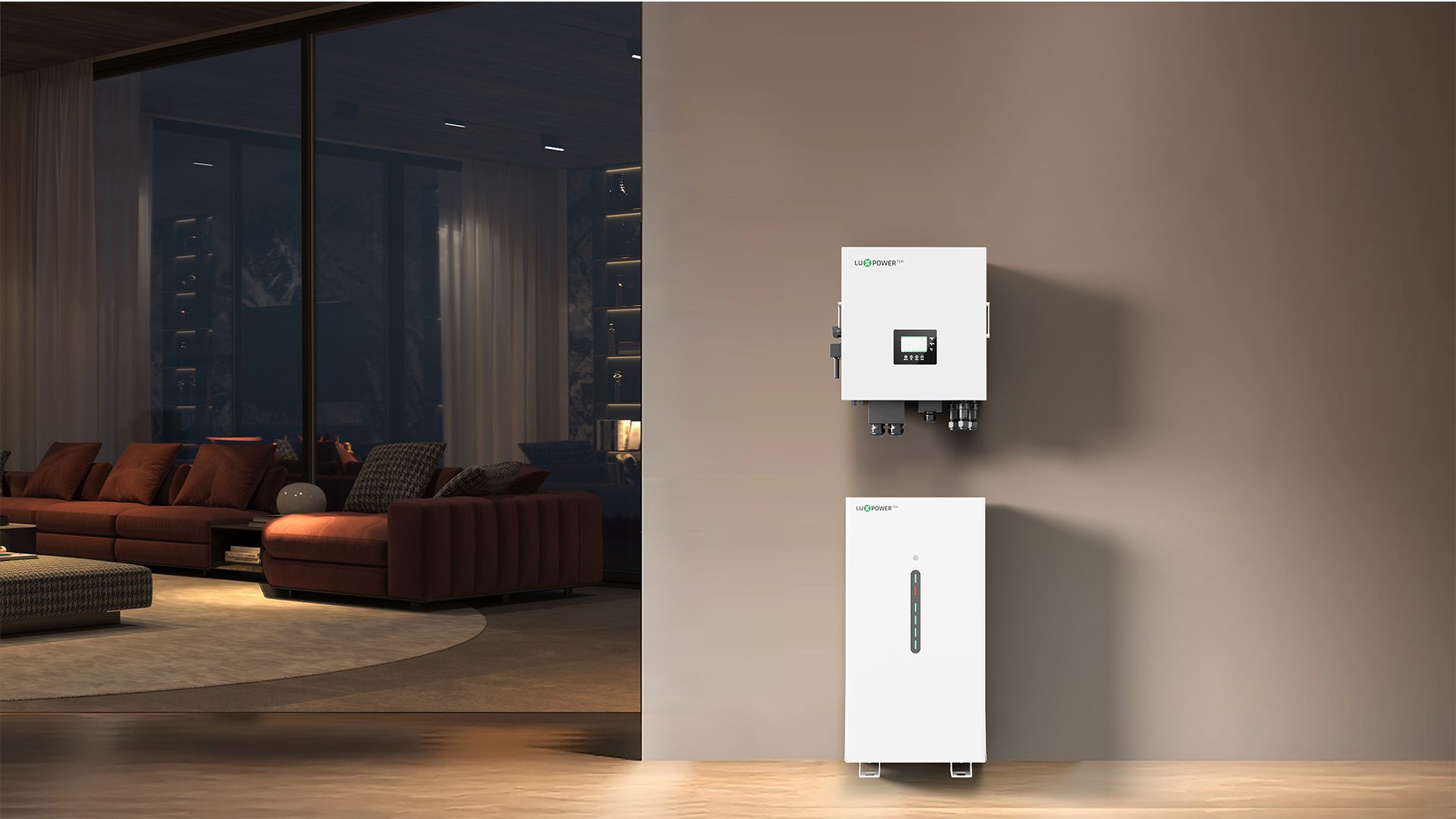
For home battery backup in Nigeria, compare Li-5 and PGEM 5.12kWh modules with PGEM PRO 14.3kWh storage. Choose by usable energy and approved inverter pairing, not capacity alone.
- Li-5 / PGEM
- 5.12kWh
- PGEM PRO
- 14.3kWh
- First step
- List your loads
Example: a steady 500W load for four hours needs 2kWh at the appliances, before losses and reserve. This is a sizing example, not a promised battery runtime.
See the Ajao Estate installationCompare home battery options
| Residential option | Nominal capacity | Format |
|---|---|---|
| Li-5 | 5.12kWh / 100Ah | Compact LFP home battery |
| PGEM | 5.12kWh | Wall-mounted LFP battery |
| PGEM PRO | 14.3kWh | Higher-capacity home storage |
| PSHIELD / PSHIELD MAX | Model-dependent | Protected outdoor battery format |
Home battery backup FAQ
How much battery storage does my home need?
List each essential appliance, its running power and the hours required. Add the energy demand, then allow for inverter losses, the permitted battery discharge range and reserve. Have an installer check starting demand and the final configuration.
Can a home battery run an air conditioner or water pump?
It depends on the appliance, starting current, inverter output and battery discharge limit. A large kWh rating alone does not confirm that a motor can start. Include the appliance nameplate details when requesting a quote.
Is a 48V LiFePO4 battery suitable for home backup?
It can be when the inverter supports the battery voltage, current and BMS protocol. The complete compatibility list and product manual should be checked before installation.
How many home batteries can be connected together?
Supported expansion differs by product. Use the current datasheet and approved communication arrangement instead of assuming that any identical-looking battery can be paralleled.
Where should a home battery be installed?
Use the environmental and clearance requirements in the manual. Keep service access, cable protection, temperature, moisture and direct sun exposure in mind.
What should I send for a home backup quotation?
Send your city, essential load list, required backup hours and details of existing panels, inverter and batteries. Include photos of the equipment labels and proposed installation space so the team can check compatibility and installation needs.
Talk through your system with us.
Send your location, load list and target backup hours.
 Download