
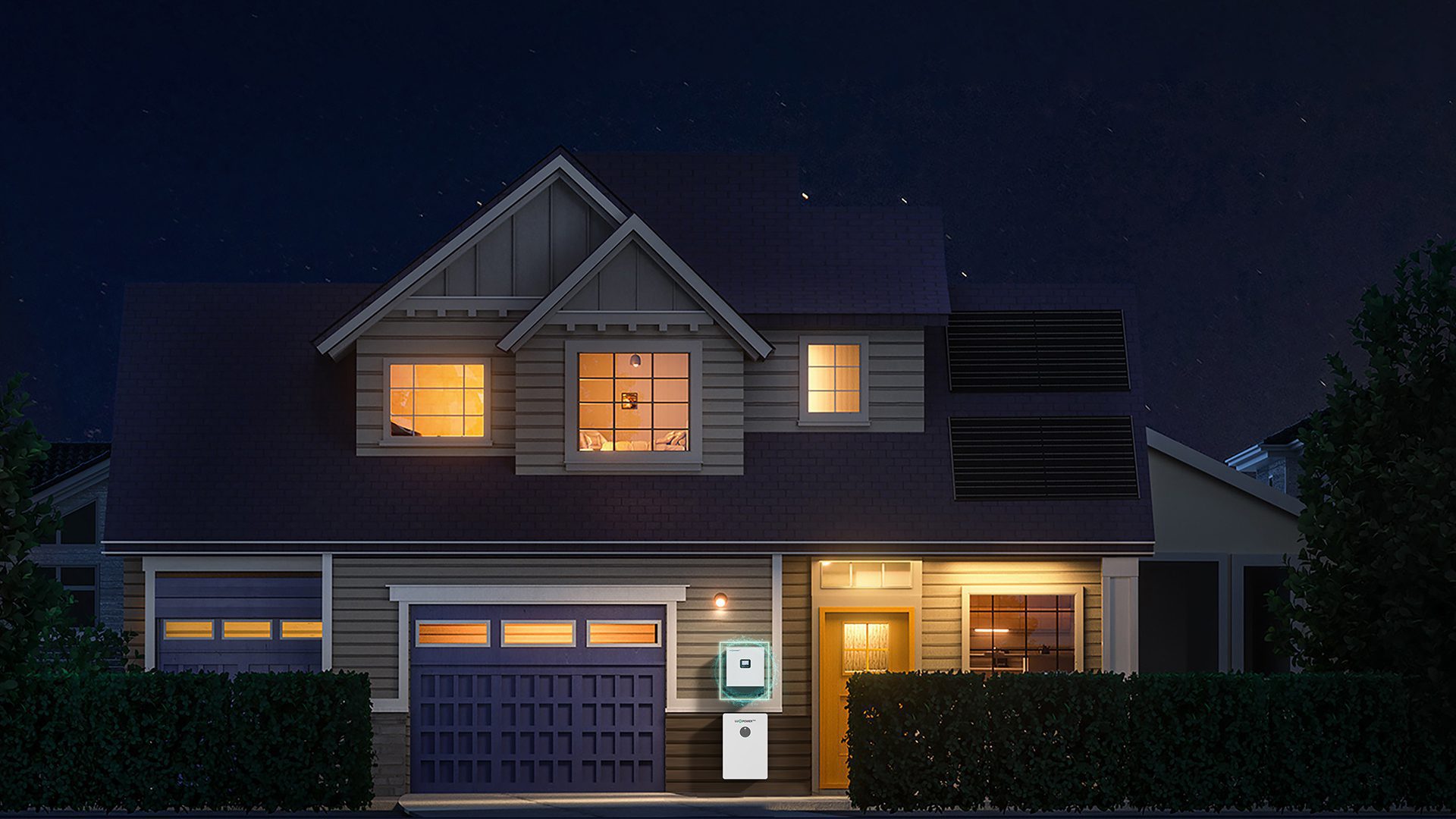
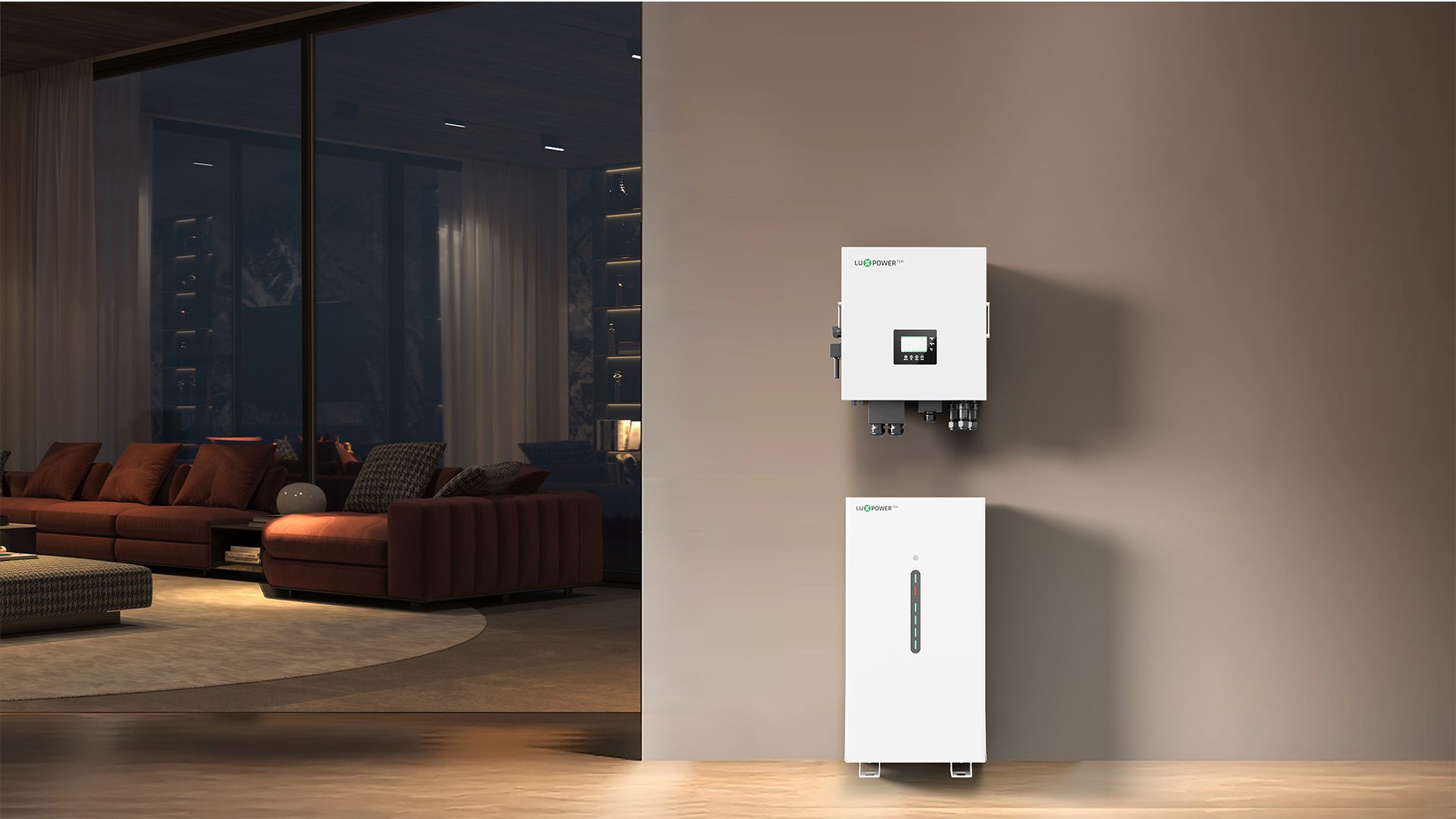
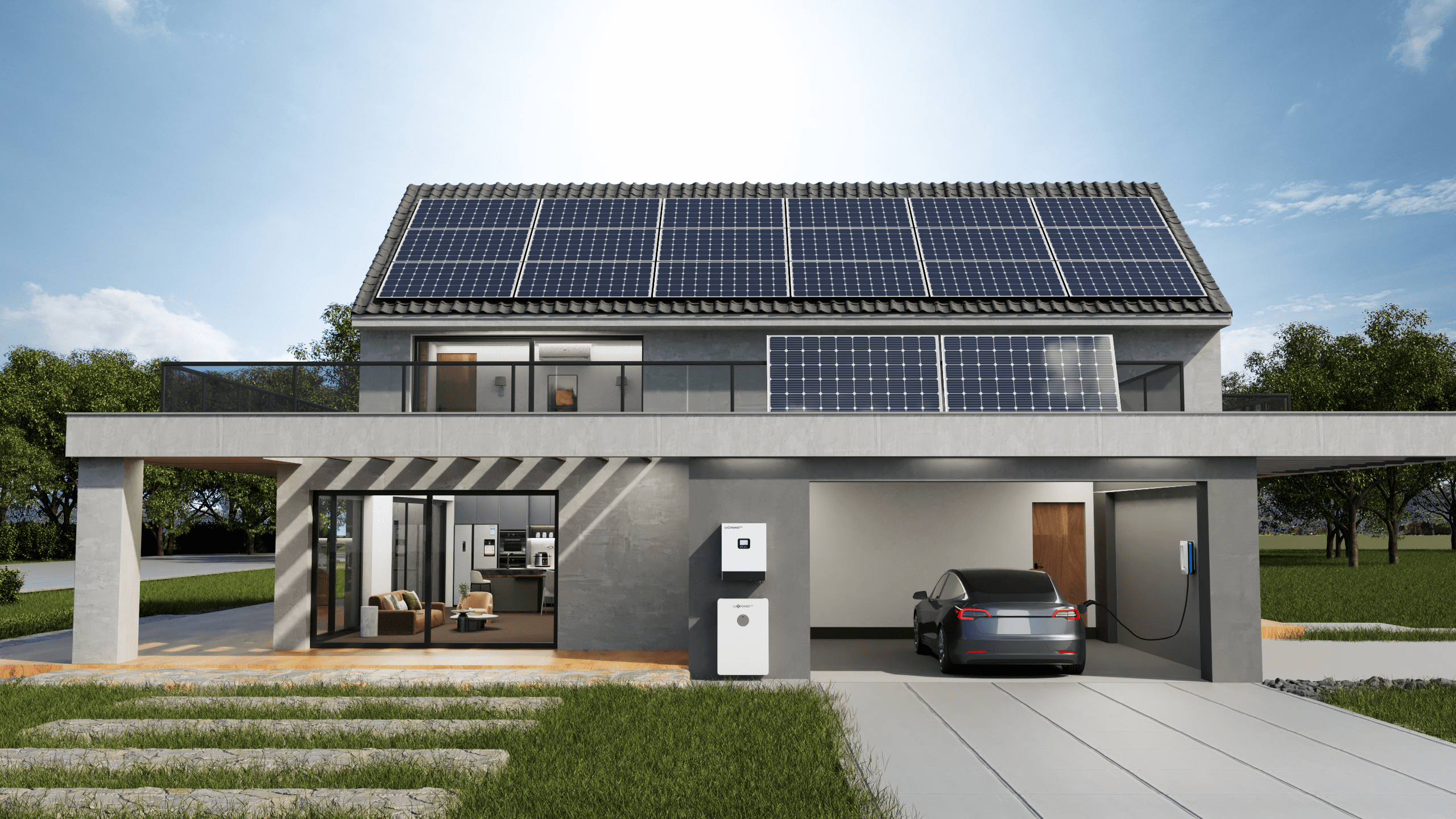





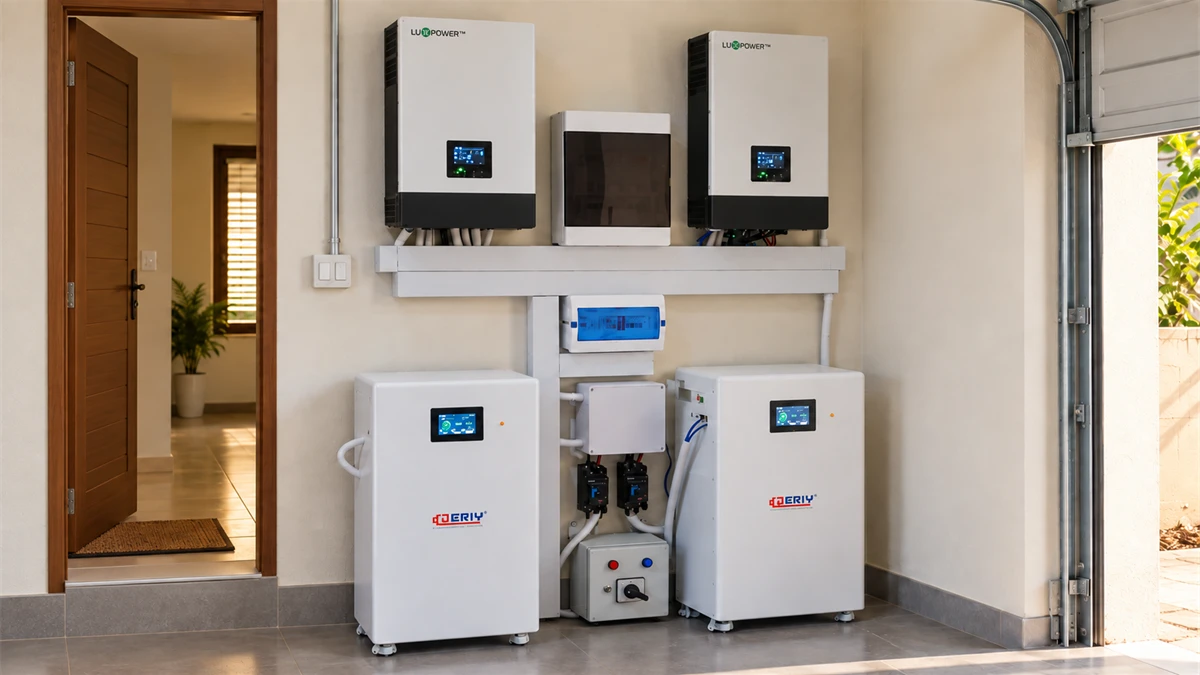
At LuxpowerTek Nigeria, price enquiries often begin with a short question: "How much is a 5kW, 6kW or 10kW solar inverter?" A useful answer has to identify the model and the scope. One figure may cover the inverter alone. Another may include battery storage, while a complete project can add panels, mounting, protection, delivery, installation, commissioning and monitoring.
Equal kW ratings can hide different solar-input limits, battery-current ratings, protection, warranty terms and service arrangements. The lowest hardware price is therefore only one part of the decision. We start with a realistic market reference, make each quotation comparable, then examine long-term value.
Solar Inverter Prices in Nigeria in 2026
They are individual hardware or package references, not an official LuxpowerTek tariff or a fixed national price list. Stock, promotions, VAT, delivery and included accessories can change, so reconfirm the exact listing before ordering.
|
System or component |
Publicly advertised reference |
Scope shown |
|---|---|---|
|
Around ₦595,000 |
Inverter only |
|
|
SNA 6K single-phase off-grid inverter |
Inverter only |
|
|
GEN-LB-EU 8K single-phase hybrid inverter |
Inverter only |
|
|
TriP2-LB-3P 10K low-voltage three-phase hybrid inverter |
Inverter only |
|
|
Seller-advertised 6kW inverter and 5.12kWh battery bundle |
Inverter and battery |
|
|
PGEM 5.12kWh battery |
Battery module only |
The ₦1.80m row remains a seller-advertised bundle because the listing identifies an inverter-and-battery scope without naming Eco Beast or another verified package. Keeping that title generic prevents an imprecise price comparison.
The listed prices are hardware references rather than a quality ranking. Communication hardware, delivery and channel-specific warranty service may still change the final cost.
The most useful cost structure is:
Total installed cost = inverter + battery + solar array and mounting + protection and cabling + delivery + installation + commissioning and monitoring
In a typical Nigerian home backup project, the inverter accounts for roughly 20–30% of total spend, while battery storage often accounts for 40–50%.
Battery capacity often moves a home-backup budget more than another kilowatt of inverter output. Cable distance, roof access, distribution-board changes and equipment weight can alter the total again.
Compare Quotations on the Same Scope
A fair comparison holds the application, phase, inverter output, battery capacity, solar array and target backup time constant. Comparing a bare inverter with a battery-inclusive package reveals little about relative value.
|
Quote component |
What the proposal should state |
Why the cost changes |
|---|---|---|
|
Inverter |
Exact model, power, phase and architecture |
Hybrid, off-grid, single-phase and three-phase systems have different functions and protection needs |
|
Battery |
Exact model, nominal kWh, usable-energy basis, continuous current and expansion plan |
Runtime and battery power may require additional capacity or modules |
|
Solar array |
Panel count, total kWp, mounting and cable route |
Roof layout and daytime demand shape the array |
|
Electrical work |
Breakers, isolators, surge protection, earthing and cable sizes |
Cable length and site conditions change the bill of materials |
|
Installation |
Equipment location, access, delivery, testing and handover |
Difficult routes and distribution work add labour |
|
Monitoring |
Dongle, plant setup, owner access and commissioning records |
A complete setup provides operating and event data for later checks |
|
Warranty and service |
Written terms, claim route and excluded costs |
Product, performance, labour and logistics may have separate coverage |
We ask for quantities and prices against each line. An itemised proposal reveals protection, monitoring or commissioning that a low total may have omitted.
How Specifications Differ at the Same Power Rating
Two inverters can share a 6kW, single-phase, 48V off-grid description and still be built for different jobs. The comparison below sets the SNA 6K against a comparable 6kW off-grid inverter commonly listed in the Nigerian market, using each manufacturer’s published figures.
|
Published point |
SNA 6K |
Felicity IVEM6048-II |
Why a buyer should check it |
|---|---|---|---|
|
Rated output |
6,000W |
6,000W |
Confirms a broadly comparable power class |
|
Maximum PV input |
9.6kW |
7.5kW |
More PV allowance can support daytime loads and battery recovery when the string design remains within voltage and current limits |
|
Charging specification |
140A maximum battery charge/discharge current |
120A maximum combined PV and grid charging current |
The labels are not identical; the battery, cable and protection limits still need confirmation |
|
UPS transfer |
Below 10ms for one unit |
10ms typical in UPS mode |
Indicates how each manufacturer describes source transfer for protected loads |
|
Parallel expansion |
Up to 16 units |
Up to 12 units; a battery is required for parallel operation |
Matters only when an approved expansion plan is part of the project |
|
Monitoring and communication |
CAN, RS485, Wi-Fi and LuxCloud |
LCD settings and Wi-Fi mobile monitoring |
Fault visibility and battery communication affect commissioning and support |
Published limits show whether a model suits the proposed array, battery and load. They are a specification check, not a field-reliability ranking.
Reliability also comes from the installation. SNA 3-6K has an IP20 enclosure and a published operating range of 0°C to 50°C, so it needs a dry, protected and ventilated equipment area. Its specification lists overcurrent, overvoltage, AC short-circuit and battery reverse-polarity protection, plus Type III AC surge protection. Those internal functions do not remove the need for correctly selected external protection and earthing.
During commissioning, we ask the installer to demonstrate the agreed simultaneous loads, motor starts and source transitions. Recording the settings and results turns a reliability promise into a site-specific acceptance check and a reference for later troubleshooting.
Choose the Architecture Around the Site
An off-grid design places more emphasis on supplying protected loads through long or repeated outages. SNA 3-6K covers focused home and small-business backup on a 48V battery platform. SNA-EU 12-14K provides a higher-output single-phase route and accepts up to 24kW of PV input.
Where utility power remains useful, a hybrid inverter keeps the grid in the operating plan alongside solar, batteries and a compatible generator. GEN-LB-EU 7-10K serves larger single-phase projects; its 10kW model accepts up to 15kW of PV. GEN2-LB-EU 3-6K covers home-scale hybrid work, while GEN2-LB-EU 7-14K addresses higher-demand single-phase projects. The exact supplied model and regional terms still govern the design.
Three-phase buildings add a battery-voltage decision. TriP2-LB-3P 5-20K uses low-voltage storage; TriP2-HB-3P 6-30K uses a high-voltage battery architecture. Phase distribution, battery current, cabling and commissioning differ between the two.
Eco Beast 6000 combines a 6kW inverter with one to three Battery Beast-5 modules. The available configurations provide 5.12kWh, 10.24kWh or 15.36kWh of nominal storage. Panels, mounting, protection and site work remain separate unless the quotation includes them.
Size Battery Energy and Power Separately
We build the load schedule around must-run equipment, simultaneous operation and motors or compressors. A freezer running overnight places a different demand on storage from a borehole pump scheduled during strong midday solar.
Estimated backup time = usable battery energy ÷ average protected load
A steady 1kW load consumes 5kWh over five hours. The nominal battery bank needs additional allowance for reserve settings and conversion losses. A 2.5kW average load uses the same 5kWh of delivered energy in about two hours.
PGEM is a 51.2V, 5.12kWh LFP battery rated at 100Ah, with 100A maximum continuous charge and discharge current. Its published specification states more than 6,000 cycles at 90% depth of discharge. The smart BMS covers voltage, current, temperature and short-circuit protection, and the approved design supports up to 32 modules in parallel.
PGEM PRO stores 14.3kWh at 51.2V and 280Ah. Its Nigeria product information lists 140A maximum continuous charge and discharge current, 0.5C operation and 8,000 cycles at 90% depth of discharge. The global warranty uses 25°C, 90% depth of discharge and 0.5C for capacity measurement, so that contractual test method should not be silently merged with the product-page cycle figure. Its 115kg weight also affects delivery, access and placement, making a simple price-per-kWh comparison incomplete.
Cycle figures only become comparable when depth of discharge, temperature, charge rate and end-of-life capacity are defined. They are performance specifications, not a guaranteed number of calendar days. Daily cycling, high temperatures, reserve settings and future load growth all influence the capacity a project should buy today.
Read the Warranty Before Comparing Price
Inverter cover depends on how the system is configured. Warranty duration is useful only when the covered components, conditions and service costs are clear. The SNA 3-6K carries a two-year inverter warranty as standard. When the inverter is installed with LuxpowerTek battery storage under the applicable sales terms, the inverter warranty extends to three years. GEN-LB-EU 7-10K carries a five-year warranty.
That extension belongs in a quote comparison. A mixed-brand system may have a lower hardware price while retaining the standard two-year SNA inverter warranty, whereas a matched LuxpowerTek inverter-and-battery configuration carries three years. The quotation should identify the exact inverter and battery models, the applicable warranty term, and the claim route before the buyer compares totals.
Battery cover is split into two parts. The published global battery warranty separates product coverage from performance coverage. Product cover runs for five years on the electronics and enclosure. Performance cover guarantees 70% retained usable energy for ten years or 6,000 cycles, whichever comes first, measured at 25°C, 90% depth of discharge and 0.5C, subject to its operating and claim conditions.
Equipment warranty and installer service are separate questions. We confirm who pays for diagnosis, travel, removal, transport, replacement installation and recommissioning. Keep the invoice, model and serial numbers, installation record, settings and fault evidence. A long warranty has limited value when the claim route remains unclear.
What Nigerian Installations Show
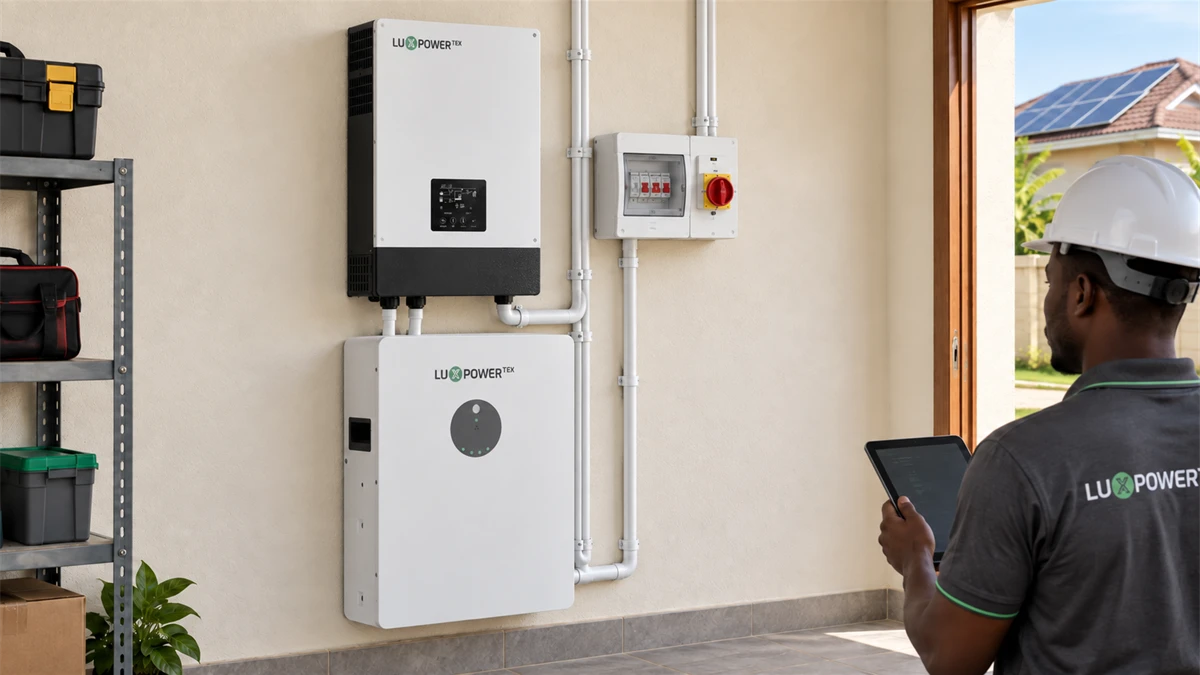
Published Nigerian installation records illustrate how quickly the bill of materials changes with the load goal. They document configurations rather than measured runtime, installed prices or guaranteed savings.
A compact home-backup record pairs one SNA 6K with one PGEM 5.12kWh battery. An Ajao Estate installation keeps one SNA 6K but uses one PGEM PRO 14.3kWh battery and twelve 575W panels, giving 6.9kWp of PV. The same inverter family can therefore sit inside projects with very different storage and solar budgets.
The Bariga, Lagos project uses one SNA-EU 12K, two PGEM PRO batteries and sixteen 720W panels. That is 28.6kWh of nominal storage and 11.52kWp of PV. Delivery and handling also matter because each battery weighs 115kg.
A commercial installation uses two SNA 6K inverters and twenty 540W panels, giving 10.8kWp of PV. The record does not identify the city, runtime or measured output. Parallel configuration, protection and commissioning make it a different quotation from a single 6kW unit.
Include Monitoring and Local Support in the Quote
We price monitoring into the installation because it can shorten commissioning and troubleshooting. The scope should identify the dongle, LuxCloud plant creation, access, firmware check and handover record. When a warning appears, plant and event data give our support team useful context before a visit.
LuxpowerTek Nigeria support provides downloads, warranty guidance and LuxCloud assistance, with local contacts in Lagos and Abuja. The main Nigeria site also lists a Port Harcourt office, while the contact page states nationwide logistics, on-site service, a certified installer network and after-sales support.
The quotation still needs to name the party responsible for attendance, parts and chargeable work. Local availability becomes valuable alongside a documented handover and clear escalation path.
A higher initial price earns its place through measurable capability or defined service. Over an agreed ownership period, we compare installed price, maintenance, uncovered repairs, replacement costs and downtime. A freezer-dependent shop can lose stock and trading time; an office can lose working hours.
The Seven-Point Quote Comparison Checklist
Use these checks before approving a proposal:
Exact model: Require the complete inverter and battery model. A description such as "5kW system" is insufficient.
Defined scope: Mark the offer as inverter-only, inverter-and-battery, or a complete installed system.
Comparable inverter duty: Check phase, architecture, continuous output, surge duration, PV input, MPPT arrangement, battery current, generator functions, IP rating and monitoring.
Battery value: Record nominal and usable energy, chemistry, continuous current, cycle test conditions, BMS communication, expansion limit and warranty threshold.
Installation design: List panel quantity, total kWp, mounting, cable route, protection, earthing, delivery, access and commissioning.
Written warranty: Separate product and performance coverage, identify exclusions, and state who carries labour, travel and logistics costs.
After-sales route: Confirm installer responsibility, monitoring handover, local contact, fault records and escalation.
An offer that cannot answer these points is not ready for a fair price comparison.
Frequently Asked Questions
How much is a 5kW solar inverter in Nigeria in 2026?
One public SNA5000 WPV listing reviewed on 11 September 2026 advertised about ₦595,000 for the inverter alone. Battery storage, panels, protection, delivery and labour are separate unless listed. Reconfirm the model, stock and warranty before comparing it with an installed system.
Why doesn’t LuxpowerTek publish official prices?
LuxpowerTek is a manufacturer and supplies through authorised distributors and installers in Nigeria. Final pricing depends on configuration, current stock, delivery and installation scope, and is set by the local channel. Our Nigeria team can confirm the right system architecture for your site and direct your enquiry to an authorised partner for a formal quotation.
Are two 6kW inverters equal in quality?
No. Equal output does not establish equal PV capacity, battery current, surge behaviour, expansion, protection, monitoring or support. Compare models built for the same phase, architecture and load, then verify the published limits against the proposed installation.
How many batteries are needed for a 5kW inverter?
Work from the average protected load and target backup time. A 1kW load running for five hours needs about 5kWh of delivered energy before reserve settings and conversion losses are allowed for. The battery bank must also provide enough continuous and startup power for the connected loads.
Is a hybrid inverter more expensive than an off-grid inverter?
The label alone does not decide the price. Output, phase, PV capacity, battery architecture, generator integration, protection, monitoring and accessories shape the quotation. Compare products assigned to the same job.
Does a ten-year battery warranty mean full replacement for ten years?
No. Current terms separate product defects from performance coverage and include operating conditions, exclusions, retained-capacity requirements and a cycle threshold. Request the current warranty for the exact battery and keep the purchase and installation records.
Does an all-in-one price include panels and installation?
Eco Beast 6000 combines an inverter with selected Battery Beast-5 modules. Solar panels, mounting, protection, delivery and installation must be written into the quotation if they are included.
Request an Itemised Proposal
Send the installation city, supply phase, must-run equipment, motor or compressor loads, operating schedule, daily outage pattern, target backup hours, existing equipment, site photos and expansion plan to LuxpowerTek Nigeria.
Our Nigeria team can narrow the architecture before routing the enquiry to an authorised sales or installation channel. The proposal should separate inverter, battery, solar, protection, delivery, installation, commissioning and monitoring costs, and attach the applicable warranty terms. That gives the buyer a usable price and a clearer view of long-term value.

 Download