




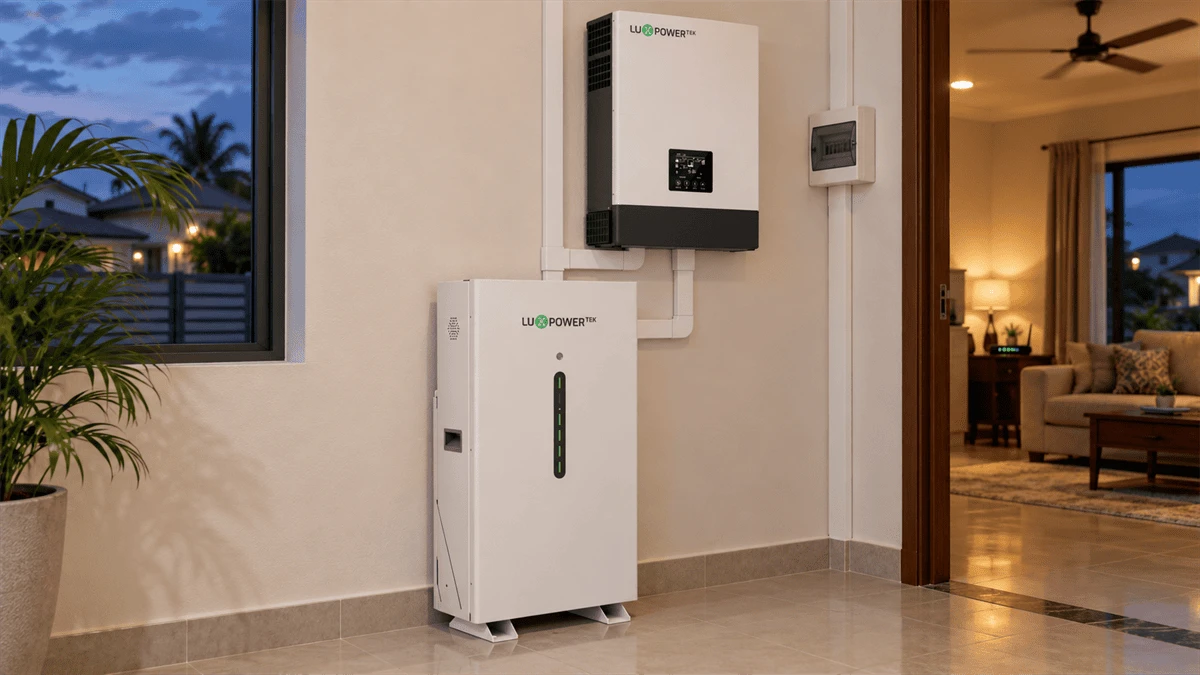
Choosing a LiFePO4 battery in Nigeria, often described as a lithium inverter battery, starts with five practical details: the appliances you need during an outage, the hours they need to run, the current the battery can supply, the inverter it will work with, and the installation location. A battery that suits evening lighting and internet backup may be a poor match for a shop running refrigeration throughout the day.
At LuxpowerTek Nigeria, we use those details to narrow the choice. Keep one distinction in mind: kWh describes stored energy; the battery’s continuous discharge capability and the inverter determine how much power reaches the appliances. A larger capacity figure answers only part of the buying question.
Quick answer
- List the essential loads and how long they must run.
- Convert the requirement to kWh and allow for system losses.
- Check continuous battery current against inverter output and motor starting demand.
- Match battery voltage and BMS communication to the inverter.
- Choose the enclosure for the actual site; IP65 still requires correct mounting and protection from flooding.
Why LiFePO4 Works Well for Solar Backup in Nigeria
LiFePO4, also called LFP, is a lithium-ion chemistry suited to repeated charging and discharging. That makes it useful for storing daytime solar generation for evening use. The International Energy Agency reported that LFP accounted for 80% of new battery storage worldwide in 2023, reflecting its established role in stationary storage.
The everyday benefit is less routine battery care. Sealed LFP modules need no electrolyte top-ups like flooded lead-acid batteries, although terminals, cables and connections still need inspection. LFP also has lower flammability than nickel-based lithium-ion chemistries; electrical protection and suitable installation remain essential.
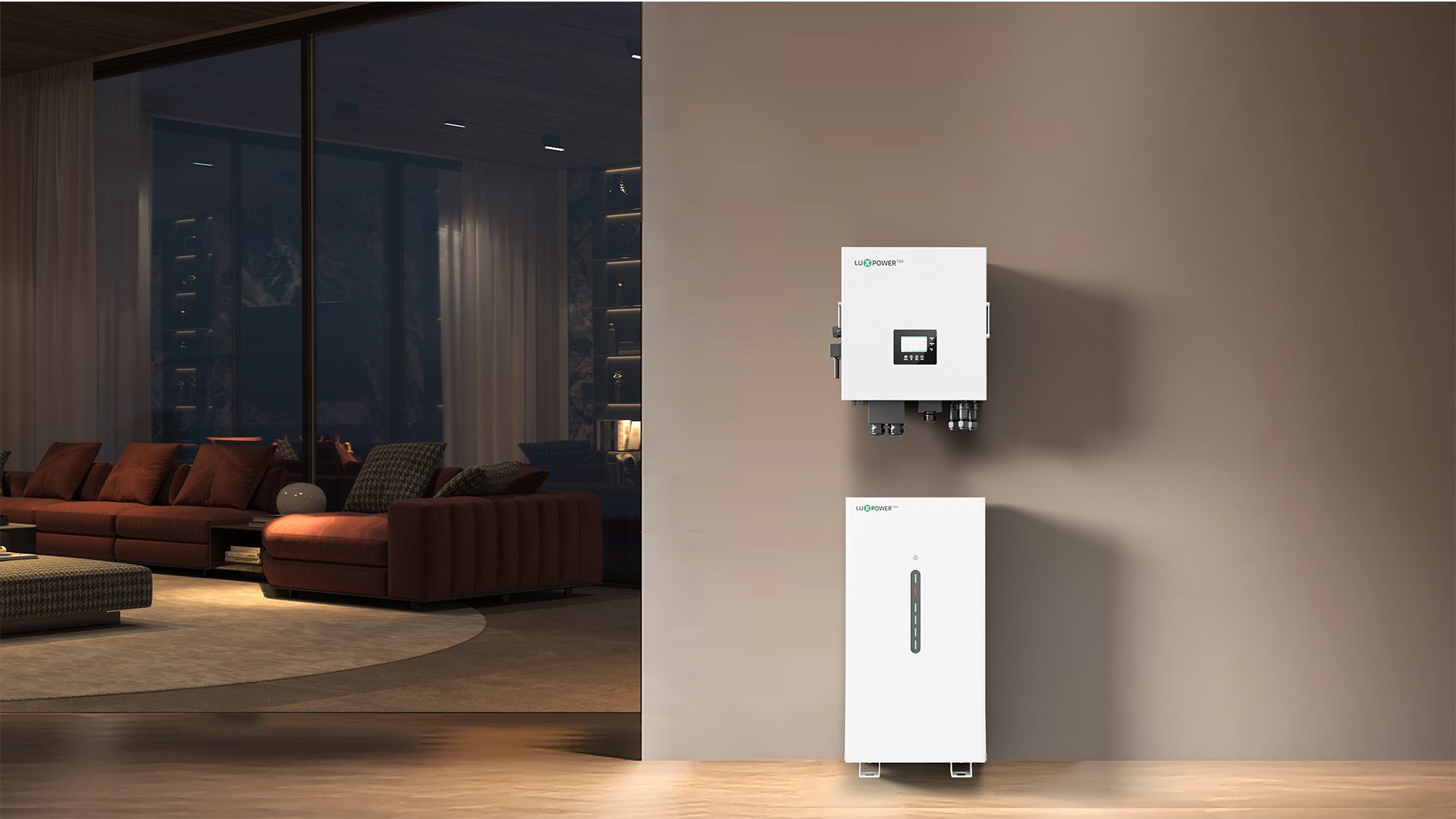
Within our range, PGEM combines a battery management system (BMS) with active cell balancing. Its protection covers voltage, current and temperature extremes. The BMS manages operating limits, while balancing helps keep individual cells at similar charge levels.
What Size LiFePO4 Battery Do You Need?
Step 1: List Your Essential Loads and Operating Hours
List the equipment you want running during an outage, its power consumption and operating hours. Lights, fans, internet equipment and refrigeration may take priority over a kettle or iron. In a small business, the equipment needed to keep trading deserves its own allowance.
That is why we ask for an appliance list rather than the number of bedrooms. A household with a borehole pump and overnight cooling has a different requirement from one keeping only lights and fans on. Motor-driven equipment such as refrigerators, pumps and air conditioners also has starting demands that a simple average can hide. Use measured consumption where available, alongside the appliance’s running and starting specifications.
Step 2: Calculate Energy for 1.2kW Over Eight Hours
Suppose the essential loads average 1.2kW over eight hours. They require 9.6kWh of AC energy.
Assuming a fully charged battery, 90% usable depth of discharge and 90% inverter efficiency, the nominal storage estimate is:
Nominal battery capacity = 9.6 ÷ (0.90 × 0.90) ≈ 11.85kWh
- Using these illustrative assumptions with no extra design margin, two PGEM modules provide 10.24kWh of nominal storage, below the calculated 11.85kWh nominal requirement.
- One PGEM PRO provides 14.3kWh of nominal storage and approximately 11.6kWh AC under the stated assumptions. This is a possible energy match; discharge capability still needs a separate check.
Actual backup time also reflects the starting charge, reserve settings, battery condition, temperature and inverter standby consumption. For a household expecting another outage later that evening, keeping some charge in reserve changes the amount available for the earlier interruption.
Battery Capacity Is Not Output Power
PGEM and PGEM PRO show why energy and current deserve separate attention:
|
Model |
Nominal energy |
Rated voltage |
Maximum continuous discharge current |
|---|---|---|---|
|
PGEM |
5.12kWh |
51.2V |
100A |
|
PGEM PRO |
14.3kWh |
51.2V |
140A |
PGEM PRO stores approximately 2.8 times as much energy, while its continuous current limit is 1.4 times as high. The extra storage mainly extends the time available at a given load.
Consider a 6kW inverter running entirely from the battery. At 51.2V and an assumed 90% conversion efficiency, the current required is 6,000 ÷ (51.2 × 0.90) ≈ 130A. A single 100A module falls below that illustrative full-output requirement. Actual current rises or falls with battery operating voltage and inverter efficiency.
PGEM PRO supports peak discharge currents of 160A for 5 minutes and 200A for 500ms. These can help accommodate motor starts, but successful starting also involves the appliance’s inrush current and duration, the inverter’s surge capability, BMS response, cabling and protection. Battery voltage and state of charge at that moment matter too.
Can the Battery Recharge Before the Next Outage?
After checking discharge capability, ask whether a long-night battery can recharge before the next outage. PGEM and PGEM PRO have maximum continuous charging limits of 100A and 140A respectively. Those limits describe what the batteries can accept, rather than a guaranteed charging speed.
The available solar, grid or generator supply, the inverter’s charger, battery temperature, state of charge and BMS limits all affect replenishment. Charging can also slow as the battery approaches full charge. Appliances operating during that window use part of the available supply. SNA 3-6K systems support solar, grid and compatible generator inputs, giving several ways to plan around the charging window.
In the eight-hour example, the battery supplies roughly 10.7kWh of DC energy at the assumed inverter efficiency. Replacing that within a four-hour charging window calls for about 2.7kW flowing into the battery on average, before battery charging losses. Daytime appliances require additional supply. The installer can then assess whether the available source power and charging hours make that backup plan repeatable.
Match Battery Voltage and Communication to the Inverter
24V or 48V? Start With the Inverter
Amp-hours mean little without voltage. Compare both values:
- Li-7.5e: 25.6V, 300Ah and positioned as a 7.5kWh-class battery for compatible 24V-class systems.
- PGEM: 51.2V, 100Ah and 5.12kWh for compatible 48V-class low-voltage systems.
A 300Ah rating does not provide three times the energy of a 100Ah battery when the voltage differs. Li-7.5e belongs with compatible 24V-class inverters. It cannot directly replace a 51.2V battery on a 48V inverter. Beyond voltage, compatibility includes the inverter’s operating window, charging settings, firmware and BMS communication protocol. CAN or RS485 ports on both devices do not establish compatibility by themselves.
Compatibility check: Send our Nigeria team a clear photo of the inverter label and include the existing battery details when replacing a system. Li-7.5e’s built-in Wi-Fi and Bluetooth support setup and monitoring; they do not replace the inverter-to-BMS connection.
Choose an Enclosure for the Installation Location
PGEM and PSHIELD both offer 5.12kWh of storage, but their enclosures suit different locations:
- PGEM: IP20 for a dry, protected indoor location.
- PSHIELD: IP65 with a built-in DC breaker for appropriately planned outdoor or sheltered installations.
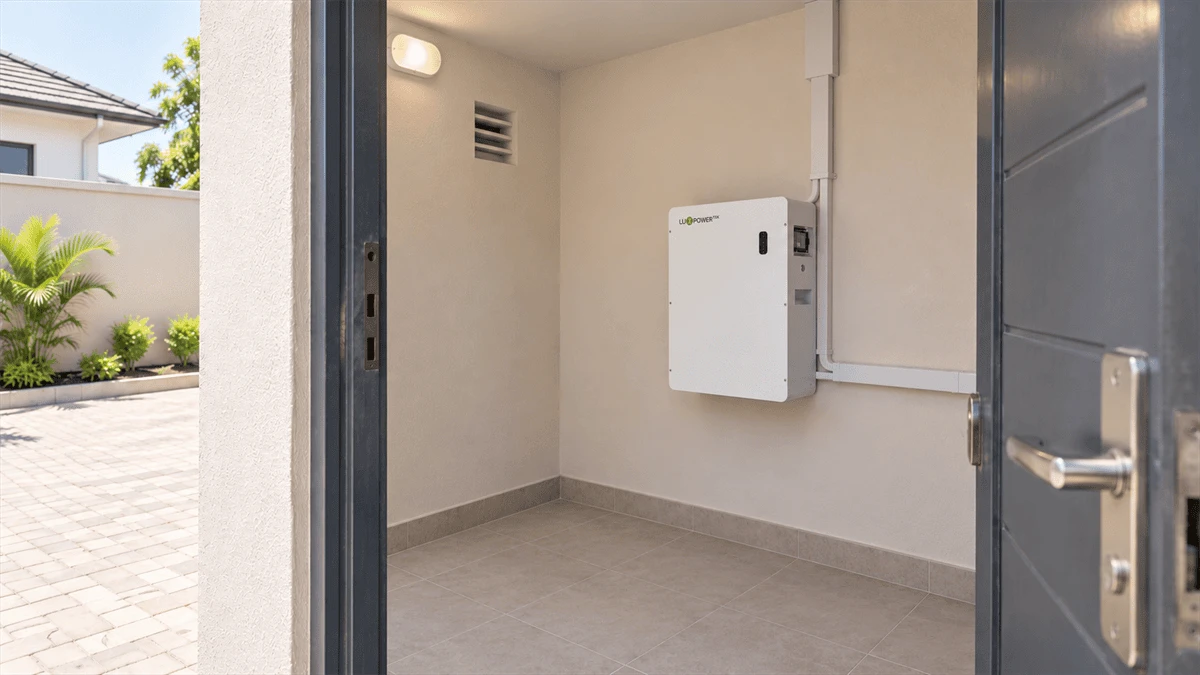
For a sheltered outside wall or energy shed, PSHIELD offers a different enclosure choice without moving to a larger battery capacity. Direct sun, rain run-off, flood exposure, mounting support and service access still need attention. IP65 protection does not make the battery suitable for submersion. Indoors, leaving room for ventilation and maintenance is more useful than squeezing the unit into an inaccessible cupboard.
Nigeria LiFePO4 Battery Examples: Lagos and Port Harcourt
Different Storage Around the Same Inverter Class
- Port Harcourt: one SNA 6K inverter with one PGEM 5.12kWh battery.
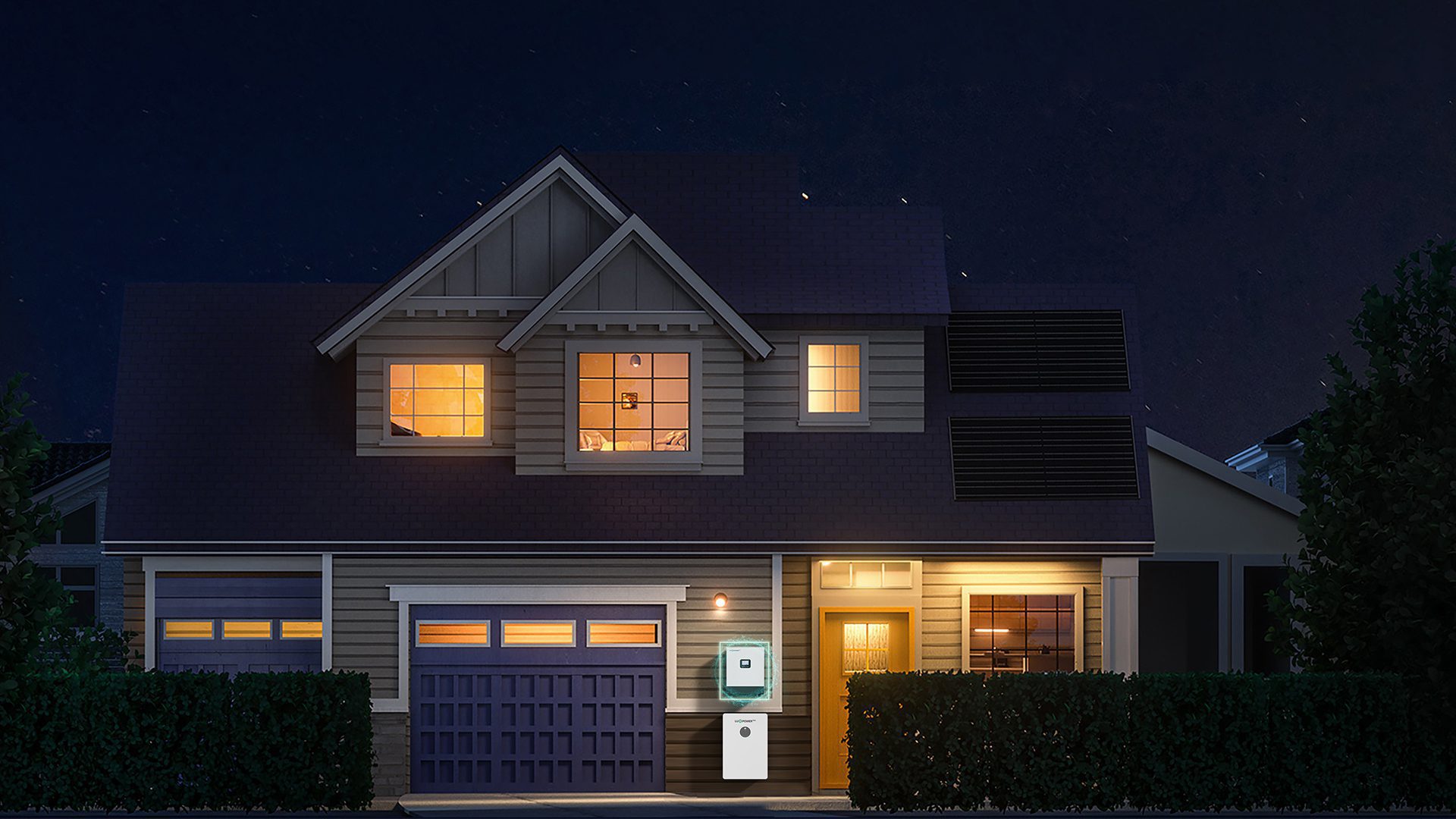
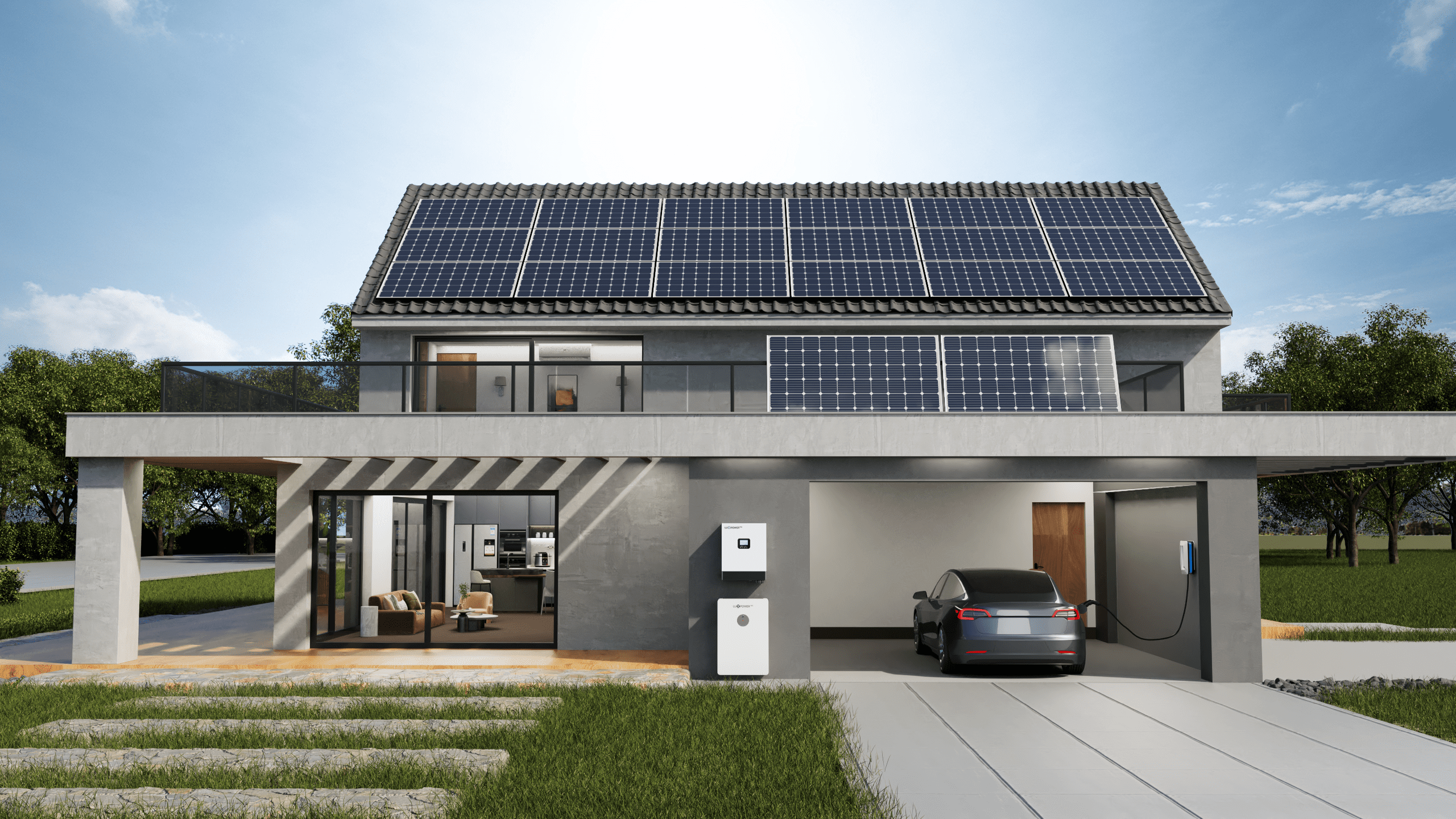
- Ajao Estate, Lagos: one SNA 6K, one PGEM PRO 14.3kWh battery and twelve 575W panels, totalling 6.9kWp of PV nameplate capacity.
The Ajao Estate installation brings solar generation, a larger energy reserve and one inverter into the same design. Its array rating describes the panels’ nominal capacity, rather than a constant charging supply. These examples show installed combinations; a comparable home still needs its own load calculation and site assessment.
What a Complete Battery Quotation Should Include
Two prices can look far apart because they cover different work. A useful quotation separates three things:
Equipment: the exact battery model, quantity and hardware version, plus the matched inverter where included.
Installation: mounting, cabling, electrical protection, delivery and commissioning.
Handover and support: monitoring access, operating settings, written warranty terms and the named contact responsible for after-sales enquiries.
Keep the invoice and commissioning details with the system. Support is available through Lagos, Abuja and Port Harcourt. A useful service message includes the inverter and battery serial numbers, what happened and a relevant event screenshot. An inverter warning during a pump start gives a more specific starting point than a general report of poor performance. Those details help the local team work with the original installer.
Through LuxCloud, we can help interpret operating information from a compatible connected system. Supported installations can show solar generation, battery charging and discharging, grid use, loads and events; available battery details include state of charge and cycle count. Comparing actual consumption with charging history helps explain why a battery reached its reserve early and provides a better basis for future expansion.
FAQs about LiFePO4 batteries in Nigeria
What size lithium battery do I need for a 5kVA inverter?
A 5kVA rating alone cannot determine battery size. Calculate essential-load energy and backup hours in kWh, then check the battery’s continuous discharge limit against the inverter’s rated output in kW. Use the exact inverter datasheet because kVA and kW are not interchangeable.
Can a LiFePO4 battery run an air conditioner?
Yes, with a suitable battery–inverter combination. The air conditioner’s running consumption and required hours belong in the energy budget. Its starting demand needs a separate power check alongside the other appliances already operating. An installer can assess the particular unit rather than assuming every air conditioner of the same advertised size behaves alike.
Can I add another battery later?
PGEM supports parallel expansion, with the permitted configuration set by the battery model, hardware version, firmware and inverter communication setup. Planning mounting space and cable routes at the initial installation makes expansion easier. Existing battery condition also belongs in the assessment; matching nominal voltage alone is insufficient.
Does every LiFePO4 battery have a ten-year warranty?
No. Warranty coverage depends on the battery model and the type of protection being discussed. Product warranty covers eligible faults in components such as the electronics and enclosure, while performance warranty sets a minimum retained usable capacity over a defined time or cycle limit.
When comparing PGEM, PGEM PRO and Li-7.5e, check the written battery warranty terms for the exact unit. Pay attention to the product-warranty period, retained-capacity threshold, time or cycle limit, operating conditions and claim requirements.
How much does a LiFePO4 battery cost in Nigeria?
There is no single LiFePO4 battery price in Nigeria: the model, capacity, stock, delivery and installation scope all affect the quotation. A dated, itemised quotation is more useful than an isolated battery price. Compare the same model and quantity, then align the installation and support included.
For a battery replacement, the total installed cost also depends on whether the existing inverter can stay. Keeping a compatible inverter can reduce the scope of the upgrade, while changing the battery-voltage platform may require a new inverter and additional installation work.
Start With the Load, Then Match the Battery
A suitable LiFePO4 battery in Nigeria matches usable energy to the required hours and discharge capability to the connected appliances. A compatible inverter, a realistic recharge plan and a suitable installation location complete the decision.
Request a preliminary sizing review by sending the inverter model, essential-load list, target backup hours and site location. The Nigeria team can help with compatibility and a preliminary configuration, followed by the site-specific design work needed for installation.

 Download